Fasting Mimicking Diet: A Review
A structured, periodic low-calorie protocol designed to trigger the benefits of fasting without full abstinence.


- The fasting-mimicking diet is a 4–7-day-a-month, very low-calorie diet that's designed to trigger "fasting-like" benefits.
- Three monthly cycles of the diet reduce body weight, cardiovascular disease risk and inflammation.
- Research is still in the early stages, and adherence and safety have been questioned.
The fasting-mimicking diet (the “FMD”) is a repeated, short-duration, very low-calorie diet designed to trigger the biological effects of fasting — but without requiring you to stop eating entirely. The diet is typically followed for just 4–7 consecutive days per month, with normal eating on the remaining days.
During the FMD days, calorie intake is drastically reduced: around 1,000 calories on day 1, dropping to roughly 700–800 on days 2–5. The diet is plant-based, very low in protein, carbohydrates, and sugar, and (relatively) high in healthy (unsaturated) fats, with micronutrients usually supplemented to cover basic nutritional needs.[1]
The premise behind the diet is that these brief cycles push the body into a fasting-like state that promotes autophagy, reduces inflammation, and resets key metabolic markers, before you return to your regular diet.
Example Foods & Dishes
- Breakfast:
- Small bowl of oatmeal with blueberries and a few walnuts
- Half an avocado on one rye crispbread with sliced cucumber
- Lunch:
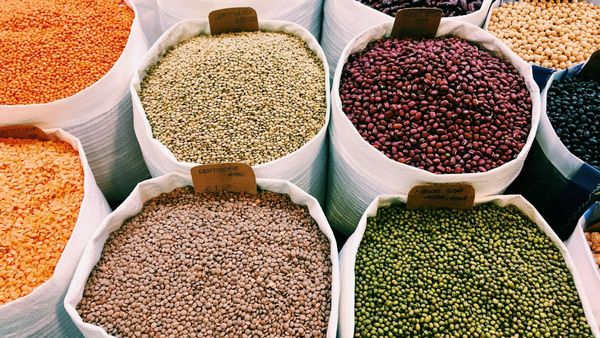
- Vegetable and lentil soup with a drizzle of olive oil
- Mixed green salad with cherry tomatoes, olives, and pumpkin seeds
- Snack: Small handful of mixed unsalted nuts and a few olives
- Dinner:
- Roasted ratatouille (courgette, aubergine, tomato) with olive oil and herbs
- Steamed broccoli and cauliflower with a small serving of quinoa
- Dessert: Small bowl of fresh mixed berries
- Drinks: Herbal tea, black coffee, water with lemon
Pros
Studies in healthy adults show consistent reductions in body weight, body fat, blood pressure, blood sugar, LDL cholesterol, triglycerides, IGF-1 (a growth hormone linked to ageing) and inflammation after as few as three monthly cycles. Effects are strongest in those who have high values to start with — meaning the diet is most effective for those who need it.[2]
In patients with type 2 diabetes, a year-long programme of monthly 5-day FMD cycles reduced blood sugar levels, body weight and lowered the need for diabetes medication. In cancer patients, FMD combined with chemotherapy has shown improvements in tumour response rates, lower growth rates and improvements in some of the side effects of cancer treatments (e.g., vomiting and immune system problems).[3][4][5]
For weight loss and maintaining healthy body weights, FMD produces consistent reductions in body fat while preserving muscle mass and basal metabolic rate. This is an advantage over continuous calorie-restriction diets, where you often lose muscle along with fat, which can be bad for your health. The short, cyclical nature of the diet is appealing and unique, as for most of the month, there are no dietary restrictions whatsoever.[6]
Cons
The main limitation of FMD is the relatively small, short and weak evidence base compared to some other diets (e.g., Mediterranean diet or intermittent fasting). The temporary nature of the diet (i.e., only 5-days) limits the impact that any nutritional deficiencies may have, as long as the normal diet, outside of the FMD, is relatively healthy.[7]
But, like some other fasting protocols, if your normal diet is poor, it may exacerbate nutritional deficiencies and lead to health issues. Commercial kits with supplements can be bought to avoid deficiencies, but they are expensive.
The FMD is designed to be nutritionally adequate, but the very low-calorie intake makes it unsuitable for some people (e.g., underweight, pregnant, with eating disorders or breastfeeding), and it should only be attempted under medical supervision if you have diabetes, a serious illness, or take regular medication.
Adherence is variable. In structured research settings, most healthy people complete the three-day cycle of the diet without difficulty, reporting only mild fatigue, headaches, and hunger. In cancer patients, however, completion rates dropped as low as 20% without intensive support. For a lot of people, even 5 days of severe restriction is challenging; other types of intermittent fasts have better adherence and compliance rates.
Bottom Line
The fasting-mimicking diet is a short-cycle diet with proven short-term health benefits for a diverse array of people. Its unique “cyclical” programme is one of its greatest strengths: you are not permanently overhauling your diet, just periodically restricting it.
However, the evidence remains early-stage, and there are costs to doing it safely (i.e., kits, supplements, and possibly medical supervision). It is not a diet for everyone, and it should not be approached as a self-prescribed quick-fix crash diet.
Overall Score: ★★★☆☆
- Health Benefits: ★★★★☆
- Nutrition: ★★★☆☆
- Weight Control: ★★★★☆
- Ease to Follow: ★★☆☆☆
- Safety Profile: ★★★☆☆
- Scoring System
Sources
- Brandhorst, S & Longo, VD. (2019). Protein quantity and source, fasting-mimicking diets, and longevity. Advances in Nutrition, 10(Suppl_4), S340–S350. PMID: 31728501
- Wei, M et al. (2017). Fasting-mimicking diet and markers/risk factors for aging, diabetes, cancer, and cardiovascular disease. Science Translational Medicine, 9(377). PMID: 28202779
- Wang, R et al. (2024). Effects of the periodic fasting-mimicking diet on health, lifespan, and multiple diseases: a narrative review and clinical implications. Nutrition Reviews. PMID: 38287649
- De Groot, S et al. (2020). Fasting mimicking diet as an adjunct to neoadjuvant chemotherapy for breast cancer in the multicentre randomized phase 2 DIRECT trial. Nature Communications, 11, 3083. PMID: 32576828
- Vernieri, C et al. (2022). Fasting-mimicking diet is safe and reshapes metabolism and antitumor immunity in patients with cancer. Cancer Discovery, 12(1), 90–107. PMID: 34789537
- Sadeghian, M et al. (2021). Effect of fasting-mimicking diet or continuous energy restriction on weight loss, body composition, and appetite-regulating hormones among metabolically healthy women with obesity. Obesity Surgery, 31, 2030–2039. PMID: 33420673
- Sofi, F. (2020). Fasting-mimicking diet: a clarion call for human nutrition research or an additional swan song for a commercial diet? International Journal of Food Sciences and Nutrition, 71(8), 921–928. PMID: 32223459