Fasting and Autophagy: What the Evidence Actually Shows
Autophagy is one of biology's most compelling cellular processes. But the gap between the science and the social media needs closing.

- Autophagy runs continuously. Fasting begins to accelerate it after roughly 16–24 hours, with more pronounced increases beyond 24–48 hours.
- More autophagy is not always better — excessive or poorly regulated autophagy is linked to cell death and a complex, dual role in cancer.
- Fasting-induced autophagy is real but overhyped. The health benefits of fasting likely occur regardless of how much autophagy changes.
Autophagy is a natural process when you break down and recycles damaged and worn-out bits of your cells that are surplus to requirements. Fasting is known to trigger the autophagy process.
In this article, we’ll go through what autophagy is, what the science tells us about when and how fasting activates it, and what it may (and may not) mean for your health.
Few biological processes have made the journey from obscure cell biology to mainstream wellness like autophagy has. It now appears on supplement labels, wellness apps, and across social media.
But who says it is triggered? How do they know it's triggered? Even if it is triggered, is it even good for your health? Maybe stopping autophagy is better than increasing it? Can you ever have too much autophagy? What does the evidence show?
What is autophagy? (your cells' built-in recycling system)
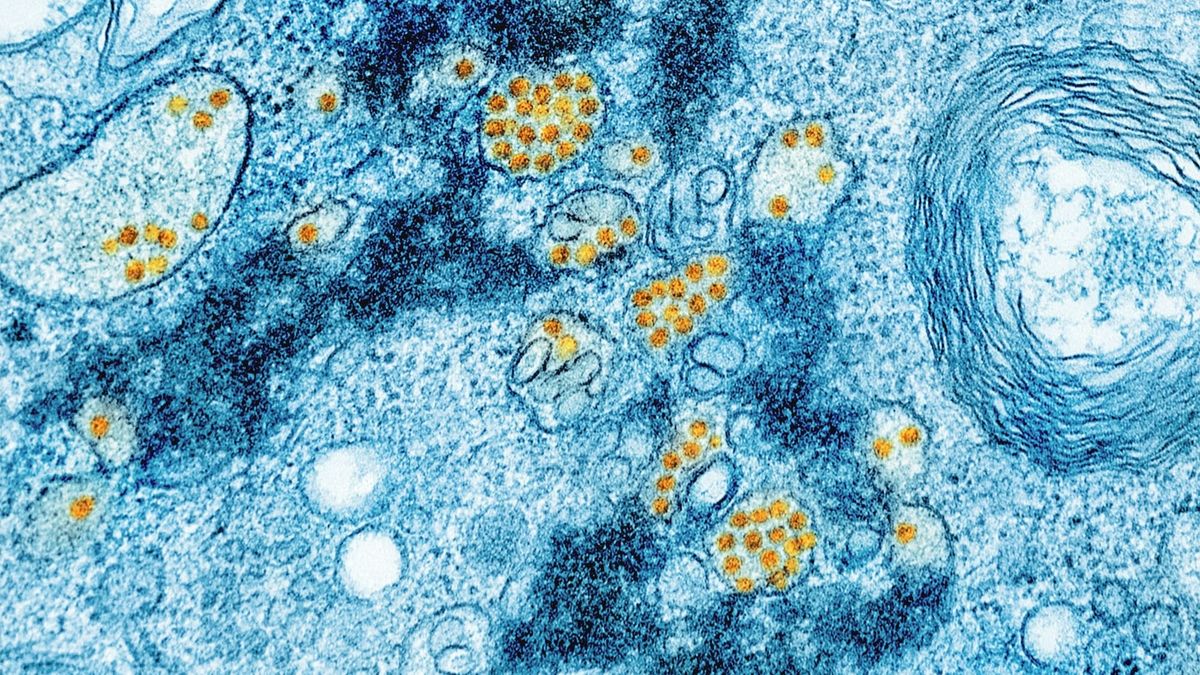
The word comes from the Greek meaning “self-eating”. It definitely exists. Autophagy is a vital process where your cells identify, break down, and recycle parts that are broken or are not needed anymore. It’s best to think of it as your cell's waste disposal and recycling system, one that has been operating long before you were born.
What exactly is getting cleared out?
- Damaged proteins that have been made incorrectly or no longer function as they should.
- Worn-out but once useful parts of your cell, like the parts that make energy or the proteins in your cell.
- Waste products, viruses and other harmful debris that shouldn’t be inside your cell.
Your cells are efficient. They don’t just throw away all of the old and unwanted material. They break it down to its basic units (like amino acids, lipids, sugars) and use these parts to make new things that your cells actually need1. So it’s not just a clean-up system: it is a recycling plant and supply store as well.
Autophagy isn’t turned on or off; it is always active, running in the background all the time. Even if you're eating normally, autophagy is working away in the background, keeping your cells healthy at a normal pace. However, when put under stress (which includes extended fasts), it speeds up how quickly it works2.
But whether deliberately increasing it via fasting produces meaningful health benefits is a separate question.
Does fasting-induced autophagy improve human health?
When autophagy rates decrease, things tend to go wrong in your cell. And when normal autophagy rates are restored, things seem to improve. However, this doesn’t automatically mean you want to increase autophagy all the time.
Autophagy clears toxic proteins that collect in your cells, which have been linked to serious brain diseases (e.g., Alzheimer's, Parkinson's and Huntington's disease)3.
Autophagy is also thought to play an important role in cancer. In healthy cells, autophagy can take care of tumours by clearing faulty or damaged parts of the cell and the DNA. However, some researchers have also suggested that autophagy can actually help keep cancer cells alive once they’re established.
So the “fasting cures cancer via autophagy” is an oversimplification and lacks evidence2.
Autophagy helps keep your metabolism working as it should, so it has been linked to metabolic diseases like type 2 diabetes, fatty liver disease and obesity. It has also been linked to ageing, as autophagy rates tend to decline as you age.
So it is associated with the build-up of cellular damage that comes with age. However, definitive proof that fasting produces meaningful improvements in health or healthy ageing in humans by restoring normal rates of autophagy has not been proven.
How fasting triggers autophagy: the mechanism
Fasting is widely recognised as a natural trigger of autophagy — this is true4. When you eat, your body releases a hormone called insulin, which goes on to tell your body to “grow and make things”. So when insulin is released, your body dials down autophagy rates.
When you eat, your body has enough nutrients coming into its cells, so it doesn’t need to break down and recycle old parts. Why would it bother doing this when it can just use the new incoming ones?
So, when you fast, your insulin levels drop, and the autophagy processes are activated. As you continue to fast, the energy levels in your cell starts to fall. This sets off another alarm within your cells, telling them that they need to increase autophagy rates again.
However, if your cells start getting really low on energy, they'll act to protect themselves and preserve their energy, so they’ll actually shut down the autophagy process itself. So the evidence suggests it is nowhere near as straightforward as: low energy + low insulin = more autophagy.
When does fasting-induced autophagy start?
The short answer is we don’t exactly know. No switch is activated at exactly 16 hours into a fast. Your body isn’t a stopwatch. From animal and cell studies (i.e., not humans), indicators that autophagy is underway have been measured after 24 hours of fasting, but only in some organs, not all of them5.
Measuring autophagy in humans is difficult, so the moment at which it becomes more active has not been precisely measured across different parts of the body.
By triangulating different pieces of evidence, we can say that autophagy probably starts increasing after 16-24 hours in most people. But no known autophagy switch is turned on in everyone at exactly 16 hours.
Research has shown that a group of obese people who followed a time-restricted eating pattern for 6 months increased autophagy more than those who followed a normal eating pattern or who followed a standard calorie-restricted diet!6.
So intermittent fasting did seem to increase autophagy, and they seem to coincide with improved health markers (e.g., weight loss, reduced inflammation and cardiometabolic health)
Can you have too much autophagy?
Is it always beneficial to increase autophagy? Probably not2. Autophagy is a tightly regulated hard-wired process, which usually means that more isn’t always better.
Too much or poorly controlled autophagy is linked to cell death and tissue damage (and possibly cancer). There is also limited research on healthy people with no known diseases or health conditions. But this doesn’t necessarily rule it completely irrelevant either.
Fasting does trigger autophagy. So good news if that's what you're doing it for. But the main reason you should be fasting is for its health benefits, which are proven whether or not your autophagy rates have changed. If you improve your health, who really cares about autophagy?
Frequently Asked Questions
When does autophagy start during fasting?
Autophagy is always active at a baseline level, but fasting accelerates it after roughly 16–24 hours in most people. It increases more again at 24–48 hours and appears to peak around 48–72. The exact timing varies from person to person, depending on their prior diet and exercise habits.
Does intermittent fasting (16:8) trigger autophagy?
Possibly. Some autophagy rate increases may begin around 16 hours into a fast, but the evidence is limited. The bulk of evidence for measurable increases in autophagy comes from longer fasting periods (24+ hours).
Is autophagy good for you?
Autophagy appears beneficial at normal levels as it helps clear damaged proteins, protects against brain diseases, and supports immune and metabolic health. However, more is not always better!
Autophagy plays a complex role in cancer (protective in healthy cells, potentially harmful in established tumours). So, the idea that maximising autophagy via prolonged fasting is always health-promoting is an oversimplification.
Does coffee break autophagy during fasting?
There's no evidence that black coffee affects autophagy during a fast. In fact, it may modestly stimulate autophagy. However, adding milk, sugar, or cream to your diet may reduce autophagy rates.
Can you trigger autophagy without fasting?
Yes — exercise (particularly high-intensity and endurance exercise) is proven to increase autophagy (whether you fast or not). Low-carbohydrate, low-calorie and ketogenic diets also stimulate autophagy by mimicking some metabolic effects of fasting.
Bottom Line
Autophagy is a genuine, important, and Nobel Prize-winning biological process. However, in our opinion, it’s currently overhyped when it comes to talking about the health benefits of intermittent fasting.
At the moment, fasting is probably one of the most accessible ways to support autophagy. But how much it is triggered, when, and how it translates to better health, or disease prevention, is still an open question. What is not in question is that fasting, when done sensibly, has real, proven health benefits in humans — and supporting autophagy is probably part of that story.
Sources
- Glick D et al. Autophagy: cellular and molecular mechanisms. J Pathol. 2010 May;221(1):3-12. PMID: 20225336
- Shabkhizan R et al. The Beneficial and Adverse Effects of Autophagic Response to Caloric Restriction and Fasting. Adv Nutr. 2023 Sep;14(5):1211-1225. PMID: 37527766
- Nixon RA. The role of autophagy in neurodegenerative disease. Nat Med. 2013 Aug;19(8):983-97. PMID: 23921753
- Bagherniya M et al. The effect of fasting or calorie restriction on autophagy induction: A review of the literature. Ageing Res Rev. 2018 Nov;47:183-197. PMID: 30172870
- Mizushima N et al. In vivo analysis of autophagy in response to nutrient starvation using transgenic mice expressing a fluorescent autophagosome marker. Mol Biol Cell. 2004 Mar;15(3):1101-11. PMID: 14699058
- Bensalem J et al. Intermittent time-restricted eating may increase autophagic flux in humans: an exploratory analysis. J Physiol. 2025 May;603(10):3019-3032. PMID: 40345145