Fasting
There are many different types of fasts: time-restricted eating, one-meal-a-day, mimick fasts, and extended fasts. They all involve planned and structured periods of going without (or with very little) food. Learn the science behind fasting and its effects on your metabolism, body weight, and health, and how to do it effectively and safely.
6 Intermittent Fasting Protocols Compared: Which One Is Best?
Intermittent Fasting for Weight Loss & Fat Loss: Does It Work?

Fasting Mimicking Diet: A Review ★★★☆☆

Should You Exercise While Fasting?
Intermittent Fasting: A Review ★★★★☆
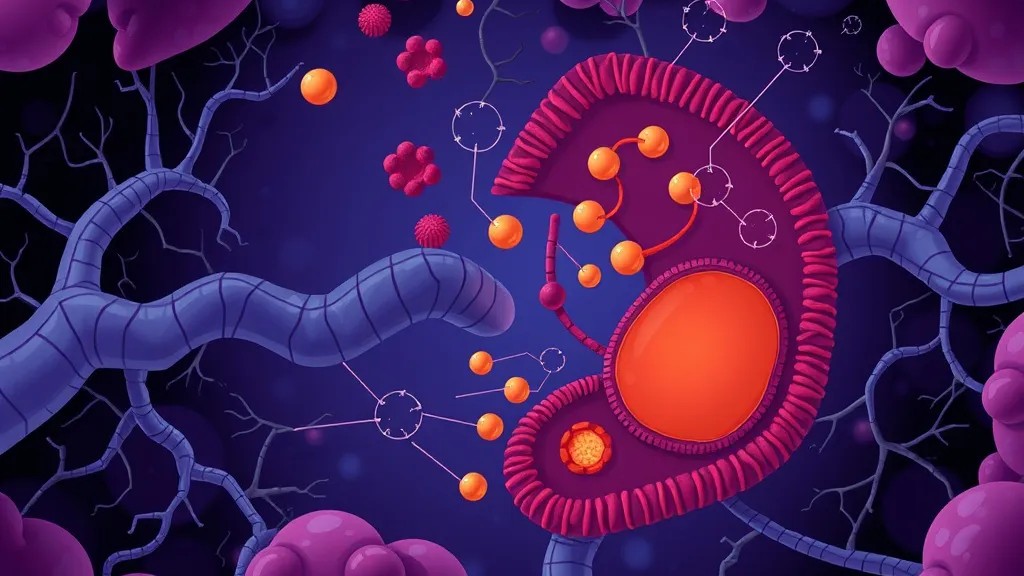
Fasting & Autophagy: What is it, When it Starts, & is it Healthy?
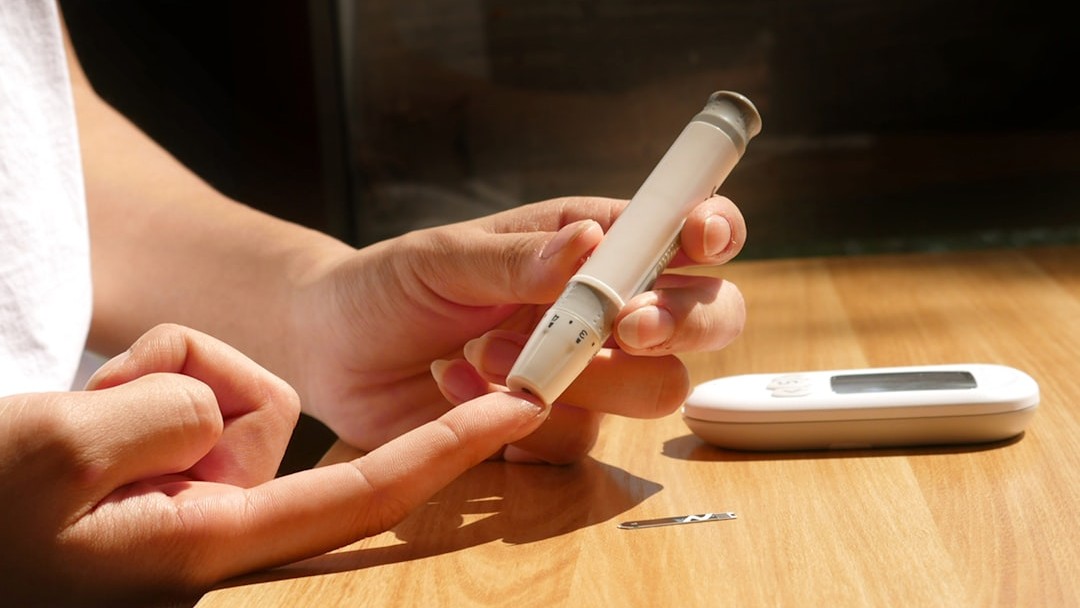
How Intermittent Fasting Affects Diabetes & Blood Sugar

Does Intermittent Fasting Lower Blood Pressure & Cholesterol
Intermittent fasting is an eating pattern that cycles between periods of eating and fasting. Rather than dictating what you eat, it focuses on when you eat. Common approaches include the 16:8 method (fasting for 16 hours, eating within an 8-hour window) and the 5:2 method (eating normally five days a week, with significant calorie restriction on two).
For most healthy adults, short-term fasting is considered safe. However, it is not recommended for everyone: pregnant or breastfeeding women, people with a history of disordered eating, those with type 1 diabetes, or anyone on certain medications that require food intake. It's always advisable to speak with a healthcare professional before making significant changes to your eating pattern.
Short-term fasting is unlikely to cause meaningful muscle loss, particularly if your protein intake is adequate and you continue resistance training. Research suggests that much of the weight lost during intermittent fasting comes from water, carbohydrate and fat stores rather than muscle. Prolonged or very severe fasting, however, can begin to waste muscle.
There is growing evidence that certain types of fasts can improve metabolic health, including insulin sensitivity, blood glucose levels, and blood pressure. These effects are often comparable to those achieved through continuous calorie restriction. Fasting is not a cure or treatment for any condition, and results depend on overall diet quality and lifestyle.
Water, plain sparkling water, black coffee, and plain teas are generally considered acceptable and are unlikely to trigger a metabolic response. Adding milk, sugar, cream, or any caloric substance will break a fast. The threshold for "breaking" a fast is debated, but keeping intake to fewer than around 50 calories is a common guideline.

What Happens to Your Body During Fasting? (Hour by Hour)

Is Hara Hachi Bu Healthy?

How Fasting Affects Your Brain, Cognition & Mental Health
Our Editorial Approach
Alphabet Guides publishes practical evidence-based content using trustworthy, peer-reviewed research: information you can actually use. Learn more About Us and our Editorial Standards.