Canola vs Olive Oil: Best Oil for the New Western Diet
Olive oil probably has stronger health data, but canola (or rapeseed) oil may be the smarter, more sustainable choice for Western countries.

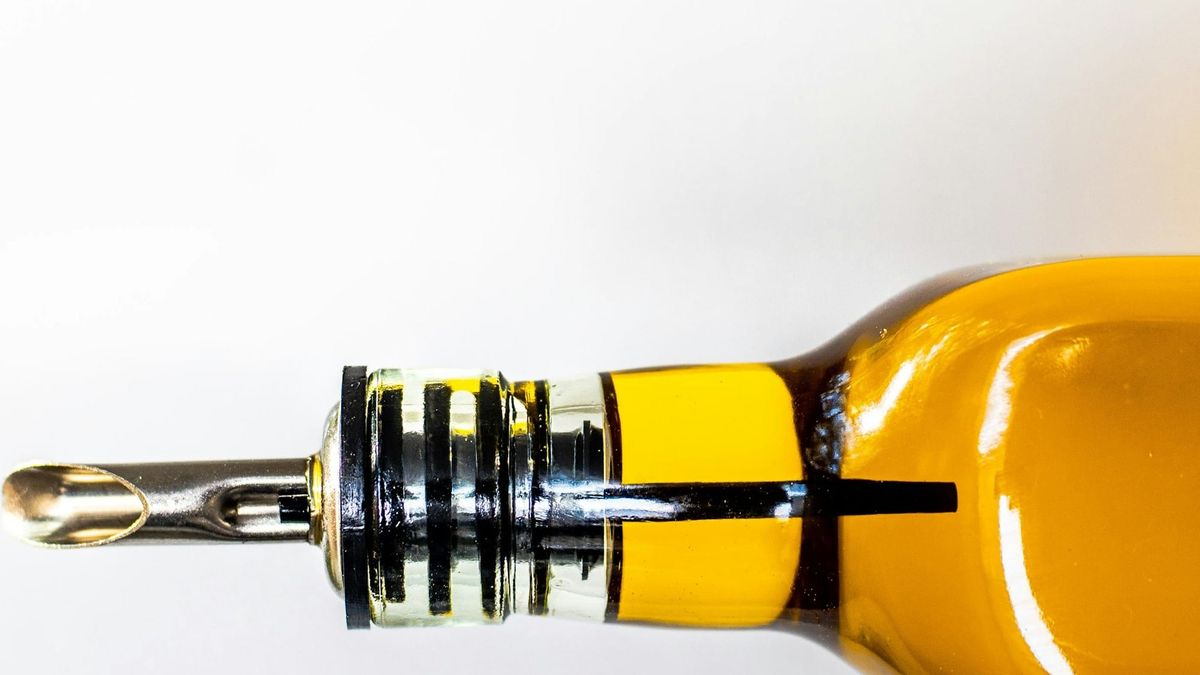
- Both canola (or rapeseed) oil and olive oil are healthier than tropical plant oils (e.g., coconut, palm oil) and animal fats (e.g., butter, lard).
- Canola oil is slightly better at lowering cholesterol than olive oil. But olive oil still has the strongest health outcomes (at the moment).
- However, canola oil is a more sustainable, affordable, accessible and secure source of fat than olive oil for people in Western countries.
The health benefits of olive oil have been known for decades. It has been the primary fat source used in the Mediterranean diet for centuries, probably millennia. There's now a large body of evidence linking olive oil intake to lower rates of heart disease, cholesterol, type 2 diabetes, some cancers, lower inflammation, and longer, healthier lives in humans.
Canola oil (sometimes called rapeseed oil) does not receive as much attention. This is probably because it hasn't traditionally been part of wider healthy eating patterns like olive oil has (i.e., the Mediterranean diet). However, when you directly compare it to olive oil, its nutrient content and health benefits are comparable (but not identical).
So which one should you use? In this article, we'll have a look at the nutrient profile, health outcomes and then wider issues that may not be directly related to your health, but are important nevertheless.
Canola vs. Olive Oil
Both canola oil and olive oil are "unsaturated fats". And as far as nutrition is concerned, they beat animal fats and tropical oils quite easily.
Olive oil is mostly one type of fat: oleic acid, a monounsaturated fat. But it also contains several unique "polyphenols" that are good for your health. Canola oil has a unique fat profile containing a lot more of a plant-based omega-3 ("alpha-linolenic acid" or "ALA" for short) and a bit more omega-6 ("linoleic acid") and vitamin E. They are both low in saturated fat.
In humans, canola oil is more effective at lowering the "bad" (LDL) cholesterol and total cholesterol. But again, both oils beat animal fats and tropical oils, which actually increase LDL cholesterol levels and body weight.[1][2][3][4]
In fact, people who replace animal fats and tropical oils with canola oil can expect decreases in liver fat, belly fat, a better blood lipid profile, metabolic health and lower chances of heart attacks.[4]
So, canola oil beats olive oil in some of the key health markers. And both beat animal fats and tropical oils. However, healthier people, who live longer and have lower disease rates, still tend to use olive oil as their primary fat.[4][5][6]
This may be due to the high content of antioxidant polyphenols found in olive oil, which aren't present in canola oil. These polyphenols lower inflammation, which seems to underpin a lot of the big diseases (e.g., cancer, cardiovascular disease, dementia) and life expectancy.
To summarise, canola oil probably beats olive oil for lowering cholesterol, and would probably have more health benefits for people with higher cholesterol levels. But olive oil probably has the strongest and most effective all-around health benefits. If you're solely focused on general health, olive oil wins.
However, the direct and general health benefits aren't the only factor. Any advice must survive in the real world. If we give advice and no one follows it, or they can't follow it (even if they wanted to), it has zero use. We also have to consider prices, supply chains and production. This is where the picture starts to shift.
Can the West Rely on Olive Oil?
About 80% of the world's olive oil comes from a few Mediterranean countries. Spain alone usually supplies 40%. In our opinion, it is not a viable or secure option for the West.
What if a drought or intolerable heat hit Spain, or the other olive oil-producing countries? What will happen to the price? This has already happened, and we've seen olive oil price increases across the West. People simply can't afford it. So they won't buy it. And they won't eat it.
We don't think that (currently) the West can rely on olive oil as its primary fat source. If you import someone else's food product, you'll also import someone else's food security risks (in addition to your own).
Higher prices have other hidden costs. They incentivise bad people to cheat. Extra virgin olive oil is one of the most faked foods in the world. It's cut with cheaper oils and mislabelled. Scientists can detect this (ex post facto), but supermarkets and shoppers can't. This is not a reason to completely avoid importing or buying it, but it's a reason why you can't solely rely on it as a primary fat.
The Case for Canola Oil: Built for the West
#1. It's already grown here, at scale
Canola (or rapeseed) is not an exotic crop. It was actually introduced to Europe by the Romans. To grow it on a mass scale, it doesn't need new farmland, farming methods, or factories.
Nearly all Western countries already grow and process it into oil — millions of tonnes a year. It is already on the supermarket shelves, and Western shoppers seem to have (tentatively) been using it.
There is definitely room to expand production. And we can't think of a good reason why it couldn't be the primary source of fat across the West. Cost, freshness, accessibility and food security matter: canola oil can meet all four.
#2. The environmental impact
Good news. Of all the main cooking oils, canola oil has the lowest carbon cost. This is certainly true when produced at scale compared to olive oil, requiring a lot less water (about a half to a third of the amount).[7]
In a hotter, drier Mediterranean climate, that water demand is exactly what keeps causing harvest failures. This may get worse going into the future if the climate scientists' predictions are correct.
#3. Canola oil is already tested: Lessons from the Nordic diet
A couple of decades ago, Nordic scientists, dietitians, and chefs faced the same choice. They wanted a healthy diet built on only what Scandinavia could grow itself. Olive trees don't survive Nordic winters. Rapeseed does. So the "New Nordic Diet" chose rapeseed (or canola) oil instead of olive oil.[8]
The reason is simple: it was the healthiest oil that they could grow. They wanted to be able to control their environmental footprint and not import their fat from elsewhere. They want food security and a product that conforms to their own standards that come with growing their food at home.
The creators of the Nordic diet are blunt about it. Although olive oil has marginally better health benefits, canola oil is the better option for everyday use. Olive oil (marginally) wins on the clinical tests and the lab tests. But canola oil wins in the field.[9]
The bigger Western countries can do the same. None of them can grow olive oil at scale, but all of them already grow oilseed rape. If the Nordic countries can build their own healthy, locally grown diet around it, we believe the rest of the West can do the same.