Move It to Lose It: Exercise & Physical Activity for Fat Loss
Exercise has a powerful role in weight and fat loss. Here we look at high-intensity interval training, aerobic training, weightlifting and NEAT.

- Exercise is a tool to improve metabolic health, body composition, and sustainable fat loss. It is not just a method to burn calories.
- Resistance exercise maintains energy expenditure. Aerobic exercise and high-intensity exercise improve energy efficiency and health.
- NEAT is also a practical, sustainable and underused way to lose fat, potentially burning hundreds of extra calories a day for little effort.
The numbers are clear: you’d have to run half a marathon to “burn” a single takeaway meal. So, rather than viewing exercise as simply another way to “burn calories”, you're better off reframing it as a method to improve your ability to manage your body weight, body fat and your overall health.[1]
Exercise and Energy Balance
Exercise has mixed effects on weight loss by itself. However, it has substantial effects on your metabolism and appetite. So, it can help with fat loss and maintaining a healthy body weight:[2]
- Immediate energy expenditure: Even light activities, such as walking, tai chi, or gardening, can burn 100-200 extra calories an hour. Endurance athletes can burn up to 1,000 calories an hour, training at full tilt.[1]
- Immediately after exercise, you continue burning calories. Your body doesn’t immediately stop burning calories the moment you step off the treadmill. After a really hard session, you continue burning more calories for hours, possibly hundreds of them.[4]
- "Non-Exercise Activities": Contrary to common belief, people who exercise regularly are more likely to be physically active during the rest of the day.[5]
- Metabolic adaptation: Exercise training also improves your ability to burn more calories. If you can increase your muscles’ capacity to use carbohydrate and fat.[3]
Resistance training and metabolism for fat loss
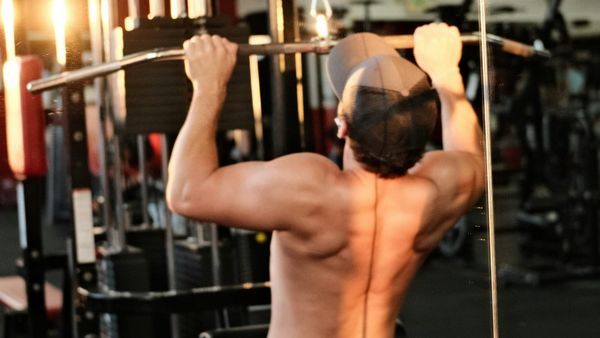
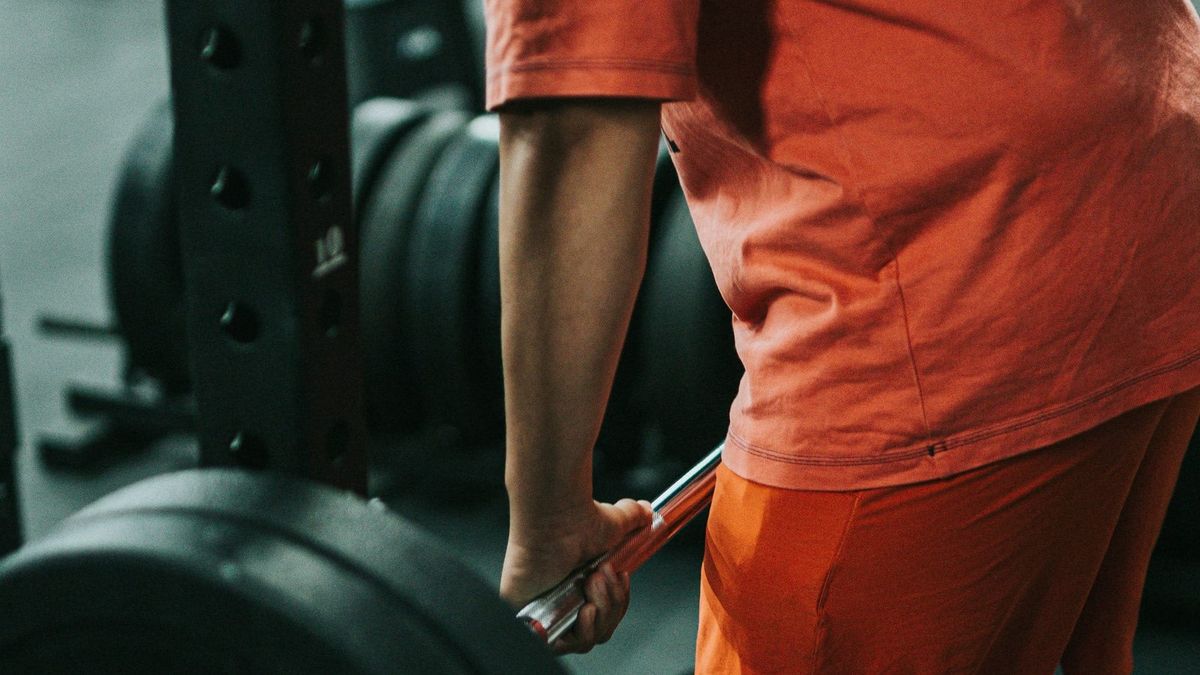
Resistance training provides unique benefits for fat loss, ones that no other exercise modality can replicate. Being able to preserve or increase the amount of muscle you have is one of the most critical contributions you can make if you want to lose fat.[6]
Losing 5 kg of muscle might look good on the scales, but it's not so good for your metabolic health, physical condition and your long-term prospects of maintaining your new body weight.[7]
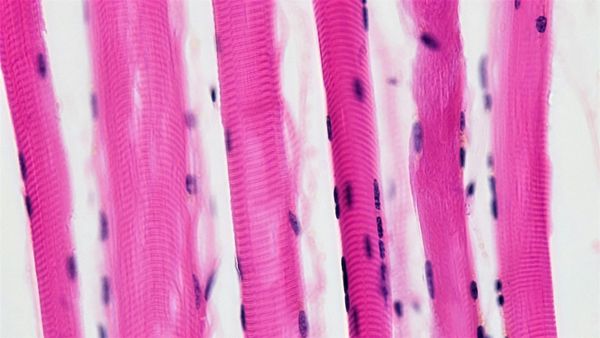
Your muscle has a major role in controlling your "metabolism". One kilogram of muscle contains ~1,200 calories of energy and burns 13-14 calories a day just to maintain it. This means the more muscle you have, the more calories you burn. So, you can eat more and lose the same (or more) fat. Over a year, 5 kilograms of extra muscle burns through the equivalent energy of around 3 kilograms of fat.
It also means that you burn more calories when you exercise; larger and more efficient muscles can exercise harder and longer; and you'll also burn more calories after you stop exercising as well.[8]
Aerobic exercise: the fat burner
In addition to burning large amounts of energy “up front” (i.e., whilst on the treadmill or bike), low-intensity long-duration exercise can also support fat loss. Regular aerobic exercise (at any intensity) increases your muscles’ ability to use more fat and carbohydrate more efficiently; both during exercise and at rest. This means they're less likely to be stored as body fat. As you get fitter, you're able to exercise at a higher absolute intensity for longer periods of time, so you burn more calories when you are exercising and after you stop exercising.[9]
Even if you are the type of person who doesn't like to exercise, you'll find that doing it regularly will make it easier and potentially more enjoyable. It also has other beneficial effects that (indirectly) support fat loss (e.g., stress reduction, appetite suppression, and improved sleep).
 Dr. Robert Davies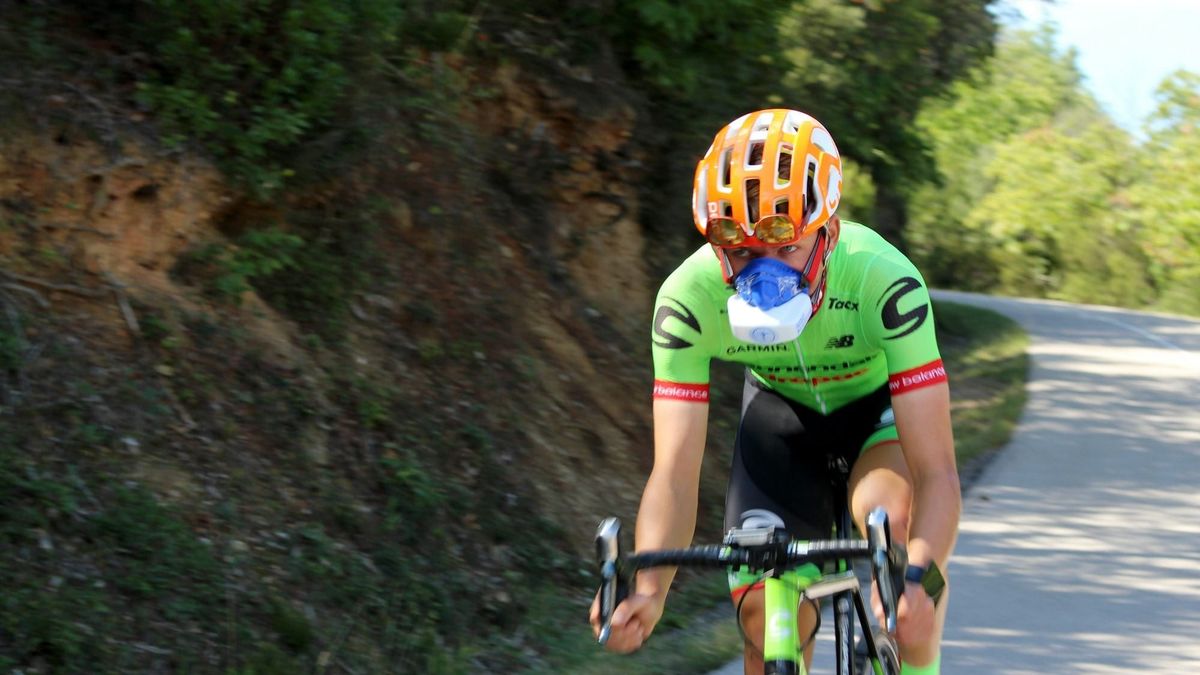
HIIT or MISS: Does High-Intensity Training Burn Fat?
High-intensity interval training (HIIT) offers busy people an option that gives them many of the benefits of weightlifting and low-intensity exercise in a shorter amount of time.
Like the other forms of exercise, HIIT burns calories upfront and also after you’ve stopped exercising. However, it can also improve your muscles’ ability to use energy in greater quantities and more efficiently (particularly fats and carbs). And contrary to common belief, it does improve cardiometabolic health. But its biggest advantage is that all this can be achieved in a fraction of the time of other types of exercise.[4]
Alas, HIIT is not a panacea. It's not as good for your muscles as resistance training is. It also requires more careful planning, as it's not the easiest type of exercise to do (both safely and correctly). It also requires more effort and can take longer to recover from, so it might not be suitable for everyone.[3]
Exercise and appetite: a complicated relationship
The relationship between exercise and appetite (i.e., your drive to eat) isn’t straightforward. The type of exercise, the intensity, duration and your own unique characteristics all affect it. However, it's generally accepted that it immediately suppresses your appetite for the first few hours after you finish exercising.
Low- to moderate-intensity exercise generally has greater and more consistent short-term appetite-suppressing effects. But longer exercise sessions (i.e., over an hour) seem to stimulate appetite and possibly increase calorie intake.[10]
The appetite-stimulating effects of exercise seem more common in beginners, females and people who're following a calorie-restricted diet. Some people experience less hunger, while other people feel more hunger (even after performing the same exercise). This highlights the need for there to be some personalisation if you're simultaneously using both dietary and exercise interventions for fat loss.
Summary
Exercise is a tool for achieving and maintaining good metabolic health, body composition, and sustainable fat loss. It's not just a method to burn calories. Resistance exercise helps maintain energy expenditure. Aerobic exercise and high-intensity exercise burn more calories and improve cardiometabolic health. Exercise typically suppresses appetite. But intensity, duration, training history and some personal characteristics can all affect how your appetite responds.
Exercise for Weight Loss: Current Recommendations[2]
- Resistance exercise: 2+ sessions a week on non-consecutive days.
- Aerobic exercise: 150+ minutes a week or 30+ minutes a day, 3+ days a week, or
- High intensity exercise: 75+ minutes a week or 25+ minutes a day, 2+ days/week
NEAT for Fat Loss: The Unseen Fat Burner
“Non-Exercise Activity Thermogenesis” (NEAT) is the scientific term for a simple part of your daily energy expenditure. It's generally underappreciated and overlooked, as a lot of attention is (rightly) given to formal exercise. However, the “non-exercise” part of your daily activity (e.g., work, travel, maintaining posture, fidgeting) can account for 15-30% of your total energy expenditure.[11]
There's a massive disparity in NEAT between people (up to 800 calories a day), which helps explain why some people lose fat more quickly or more easily than others. Those with higher NEAT have an advantage that can rival a daily exercise session.[12]
The science behind NEAT
NEAT works in many ways that extend far beyond simple "calories out". The primary driver of NEAT is the amount of “spontaneous” (i.e., unplanned) physical activity you do. This is determined by the part of your brain that monitors your hormones, environment and how much energy you have available to use.
It operates beyond your control. So you can burn more (or less) NEAT calories without even realising it. When some people eat too much food, they subconsciously increase their NEAT in response. They might move more, fidget more, or change their posture to burn more energy. This can, in part, explain why some people can consume a lot of calories and don’t seem to gain weight.[13]
Even without moving an extra inch, some people can burn off excess calories, at a cellular level, by simply producing more heat, so you won't even notice it. Your body does this via a process called “brown adipose tissue thermogenesis”. Lucky for some! There’s a strong genetic component to NEAT. However, it can also be influenced by your behaviour and environment. That’s what we’ll focus on.
How many NEAT calories do some common activities burn?[10]
- Figiting seated: ~125 calories an hour
- Figiting standing: ~160 calories an hour
- Light chores (cleaning, gardening, cooking): ~150 calories an hour
- Slow walking: ~175 calories an hour
- Brisk walk: ~300 calories an hour
Assessing and increasing your NEAT
Scientific ways of measuring NEAT are not accessible to most people. This makes tracking and monitoring it difficult in real life. But there are things you can do to help understand your NEAT better.[13]
- Step counters and fitness trackers are good indicators of your NEAT, but they're not perfect.
- The physical demands of your job and daily activities are usually the largest source of NEAT. People with moderately active occupations (i.e., working on their feet) can burn 300-500 calories a day more than those who are seated.
- Observe your behaviour: do you pace when on the phone, tap your feet while seated, shuffle around in your chair, change your posture often, or take stairs instead of the lift? NEAT is really about many little things adding up throughout the day.
- Your environment can also influence NEAT. Exposure to cold temperatures, non-seated workstations and cluttered living spaces (which require navigation and longer walking routes) can increase NEAT. Conversely, prolonged sitting, warm environments, and the use of convenient living devices can reduce it.
Increasing your NEAT needs to fit in with your daily lifestyle and needs to be sustainable. Some examples can include:
- Running the temperature of your environment slightly colder than normal. This is also good for your energy bills and the environment.
- Cold showers and getting outdoors are typically good for NEAT if you don’t have access to the thermostat.
- Standing workstations can burn an extra 50-100 calories an hour.
- Position items you use a lot (e.g., your phone, TV remote or keys) in a place you have to get up and walk to reach.
- Park further away from work or home. Get off one stop early and walk. Take walking meetings as Socrates did.
- Stress balls, desk fidget toys, and regular drink or refill breaks work at work.
NEAT for fat loss
Maintaining your usual (or ideally higher) energy expenditure is critical for successful fat loss. And NEAT offers some advantages, beyond just increasing energy expenditure. Some types of exercise stimulate your appetite and reduce daily activity, whereas increasing your NEAT does not.
The timing of NEAT activity throughout the day can also matter. Spreading bouts of NEAT throughout the day burns more calories than doing a few longer bouts of NEAT between periods of sitting. But any extra NEAT will be beneficial.
Main barriers to increasing NEAT
Modern environments are designed to minimise NEAT by encouraging convenience and sedentary behaviour. Most modern technologies are NEAT suppressors.
Think about it: smartphones, TV, streaming services, home delivery, and online shopping have all contributed to reduced NEAT, which previous generations never experienced. So, adding movement breaks and choosing analogue alternatives can be effective at getting NEAT back into your life.
Busy lifestyles are a major reason for low energy expenditure. So, look at increasing your NEAT into (not in addition to) your everyday activities (e.g., standing desks, colder temperatures, walking meetings). NEAT tends to work best alongside other lifestyle changes (e.g., diet and exercise). It is not a replacement for structured exercise. But the main benefit of NEAT, compared to planned exercise, is that it is more accessible, flexible, and sustainable.[13]
Over time, NEAT habits can become “ingrained” as an unconscious habit, so it becomes effortless; just part of your new daily routine. View NEAT as an insurance policy. It is a tool that hums away in the background, burning calories irrespective of the other lifestyle decisions you make that day.
Summary
NEAT contributes substantially to your daily energy expenditure, potentially hundreds of extra calories. It is determined both "subconsciously" and by your behaviour (e.g., energy balance, hormones, occupation, environment, and habits). Increasing NEAT is practical and sustainable, and offers fat loss benefits with little (relative) effort. However, it should complement, not replace, formal exercise.