South Beach Diet: A Review
A phased low-carbohydrate diet focused on "good carbs" and "good fats" for weight and heart health.


- The South Beach diet is a low-carbohydrate, low-fat diet that focuses on controlling your blood sugar levels.
- Short-term weight loss and health benefits are reported, but they are comparable to other low-carb or standard diets.
- Like many other low-carb diets, there's a risk of nutrient deficiencies, it is difficult to follow, and the health benefits are limited.
The South Beach Diet is a weight loss program that became popular in the early 2000s. It’s a low-carbohydrate, low(ish)-fat diet that focuses on controlling blood sugar levels.
Unlike ultra-low-carbohydrate diets, it positions itself as a moderate, balanced alternative focusing on ‘good’ carbohydrates and fats while restricting processed carbohydrates and saturated fats. The diet gained popularity through its bestselling books and has been marketed as a healthy, sustainable solution for weight loss.
It consists of three distinct phases, which progressively become less restrictive in nature.
- Phase 1, which lasts two weeks, is the most restrictive phase that eliminates all fruits, grains, and starchy vegetables while increasing intake of lean proteins, non-starchy vegetables, nuts, low-fat dairy, and healthy fats. This phase aims to ‘stabilise’ blood sugar levels, reduce cravings, and promote weight loss.
- Phase 2 gradually reintroduces whole grains, most fruits, and vegetables, which continues until your target weight is achieved.
- Phase 3 is then the maintenance phase that incorporates all food groups, with continued emphasis on ‘low-GI’ foods and portion control.
The diet distinguishes between carbohydrates based on their ‘glycemic index’ (‘GI’), which is basically a measure of how quickly blood sugar is raised. Low-GI ‘good’ carbs include whole grains, legumes, most vegetables, and low-glycemic fruits.
Whereas high-GI ‘bad’ carbs include white bread, white rice, potatoes, sugary foods, and refined grains. Similarly, ‘good’ fats like olive oil, avocados, nuts, and fatty fish are encouraged, whilst ‘bad’ fats (saturated and trans) are limited.
Example foods and dishes
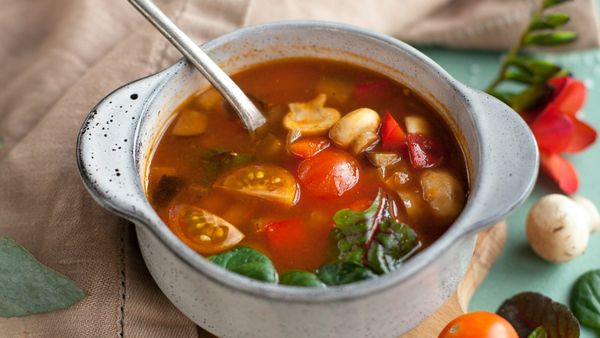
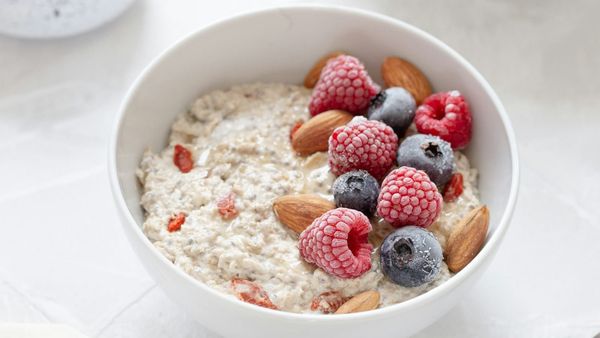
- Breakfast: Vegetable frittata with turkey bacon or Greek yoghurt with nuts & stevia
- Lunch: Grilled chicken with mixed green salad & balsamic vinaigrette or Turkey & cheese roll-ups with vegetable sticks & hummus
- Snack: String cheese & cucumber slices or Hard-boiled eggs
- Dinner: Grilled fish with roasted veg & quinoa or Beef tenderloin with cauliflower mash & green beans
- Dessert: Sugar-free fruit jelly
- Drinks: Black coffee, unsweetened iced tea, water
Pros
Like most low-carb diets, it leads to weight loss and fat loss (in Phase 1). This rapid weight loss can provide motivation and momentum when starting the diet, and may improve adherence to the diet long-term.
Substitution or removal of high-GI carbohydrates is linked to better control of blood sugar and lipid profile. These health improvements, combined with calorie reduction, mean the diet may be particularly effective for type 2 diabetics and those who are already overweight or obese and looking to lose weight.
The diet's phased approach is relatively novel and offers some ‘psychological’ advantages over permanently restrictive plans. The gradual reintroduction of some foods in Phase 2 provides flexibility and may improve adherence compared to prolonged or very low-carb diets.
The emphasis on whole foods, lean proteins, vegetables, and healthy fats represents a significant improvement over typical Western diets.
Cons
The benefits of the diet decrease over time, with weight regain and diminishing health benefits reported after a year. Supporting evidence is taken from just general low-carb diet studies, limiting confidence in claims that are specific to the South Beach diet.
Nutritional concerns also mirror those of other low-carb diets. Restricting fruits, whole grains, and legumes (Phase 1) will reduce dietary fibre and may limit intake of some essential nutrients.
Long-term adherence to the diet is typically low, with the restrictive Phase 1 particularly difficult to maintain. Later phases also need ongoing vigilance around food choices.
Limited food variety (especially in phase 1) reduces meal satisfaction and may create social barriers at restaurants and gatherings. Compared to some other diets (e.g., DASH or Mediterranean diet), the South Beach Diet lacks evidence supporting any superior health outcomes or unique advantages of the diet.
Bottom Line
Like other low-carb diets, the South Beach Diet offers short-term weight loss and health benefits. However, it lacks any distinctive advantages and any decent long-term supporting evidence. Nutritional limitations, low adherence, and limited direct research suggest it represents a well-marketed low-carb diet variation, rather than a new and novel diet.
Overall Score: ★★★☆☆
- Health Benefits: ★★★☆☆
- Nutrition: ★★★☆☆
- Weight Control: ★★★☆☆
- Ease to Follow: ★★★☆☆
- Safety Profile: ★★★★☆
- Scoring System
Sources
Barber TM et al.. The Low-Carbohydrate Diet: Short-Term Metabolic Efficacy Versus Longer-Term Limitations. Nutrients. 2021 Apr 3;13(4):1187. PMID: 33916669
Goldenberg JZ et al. Efficacy and safety of low and very low carbohydrate diets for type 2 diabetes remission: systematic review and meta-analysis of published and unpublished randomized trial data. BMJ. 2021 Jan 13;372:m4743. PMID: 33441384
Kirkpatrick CF et al. Review of current evidence and clinical recommendations on the effects of low-carbohydrate and very-low-carbohydrate (including ketogenic) diets for the management of body weight and other cardiometabolic risk factors: A scientific statement from the National Lipid Association Nutrition and Lifestyle Task Force. J Clin Lipidol. 2019 Sep-Oct;13(5):689-711.e1. PMID: 31611148
Kumar NK et al. Adherence to Low-Carbohydrate Diets in Patients with Diabetes: A Narrative Review. Diabetes Metab Syndr Obes. 2022 Feb 18;15:477-498. PMID: 35210797
Landry MJ et al. Benefits of Low Carbohydrate Diets: a Settled Question or Still Controversial? Curr Obes Rep. 2021 Sep;10(3):409-422. PMID: 34297345
Tay J et al. A very low-carbohydrate, low-saturated fat diet for type 2 diabetes management: a randomized trial. Diabetes Care. 2014 Nov;37(11):2909-18. PMID: 25071075