Gluten-Free Diet: A Review
Medically essential for coeliac disease, but widely adopted beyond its evidence base by the general population.

- The gluten-free diet does what it says it does; it eliminates all foods containing a protein called gluten, so wheat, barley and rye are all off the menu.
- The diet works well for treating people with celiac disease, gluten intolerance or other gluten-related conditions.
- It has no proven health benefits for general use, but carries the risk of nutrient deficiencies, can be expensive and is difficult to follow.
The gluten-free diet eliminates all foods containing gluten, which is a protein found (primarily) in wheat, barley, and rye. Gluten protein is what gives bread and pizza dough their elasticity and helps baked goods maintain their structure.
For people with celiac disease (an autoimmune disorder affecting around 1% of people), gluten triggers an immune response that damages their intestinal lining, leading to gut issues.
The gluten-free diet emerged as a medical treatment in the 1940s, when a paediatrician observed that the symptoms in children with celiac disease improved when bread was scarce during World War II.
Since then, a gluten-free diet has become the only proven treatment for celiac disease, non-celiac gluten sensitivity, and wheat allergies. However, the diet has also gained widespread popularity among people without any gluten-related reactions; it is often done for perceived health benefits or for weight loss.
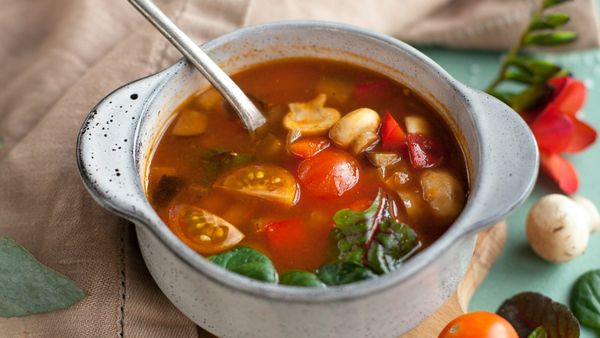
The diet requires elimination of all sources of gluten (e.g., bread, pasta, cereals, baked goods, and beer made from gluten-containing grains). ‘Hidden’ sources of gluten must also be avoided, such as sauces, processed meats, soups, and cross-contaminated products that may contain it.
Foods that are permitted include gluten-free grains (e.g., rice, corn, quinoa, millet), fruits, vegetables, unprocessed meats, fish, eggs, dairy, legumes, nuts, and seeds. There are also specially designed gluten-free products made with alternative flours and starches. However, these processed options often differ nutritionally from their gluten-containing counterparts.
Example Foods & Dishes
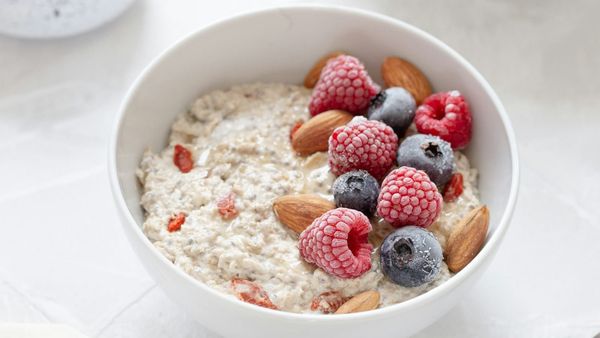
- Breakfast: Gluten-free pancakes with maple syrup & bacon or Smoothie bowl with fruit, gluten-free granola, & almond butter
- Lunch: Turkey & cheese sandwich on gluten-free bread or Chicken burrito bowl with rice, beans, cheese, & guacamole
- Snack: Gluten-free pretzels with hummus or Buttered Popcorn
- Dinner: Gluten-free pasta with marinara sauce & meatballs or Grilled steak with baked potato & Caesar salad (gluten-free dressing)
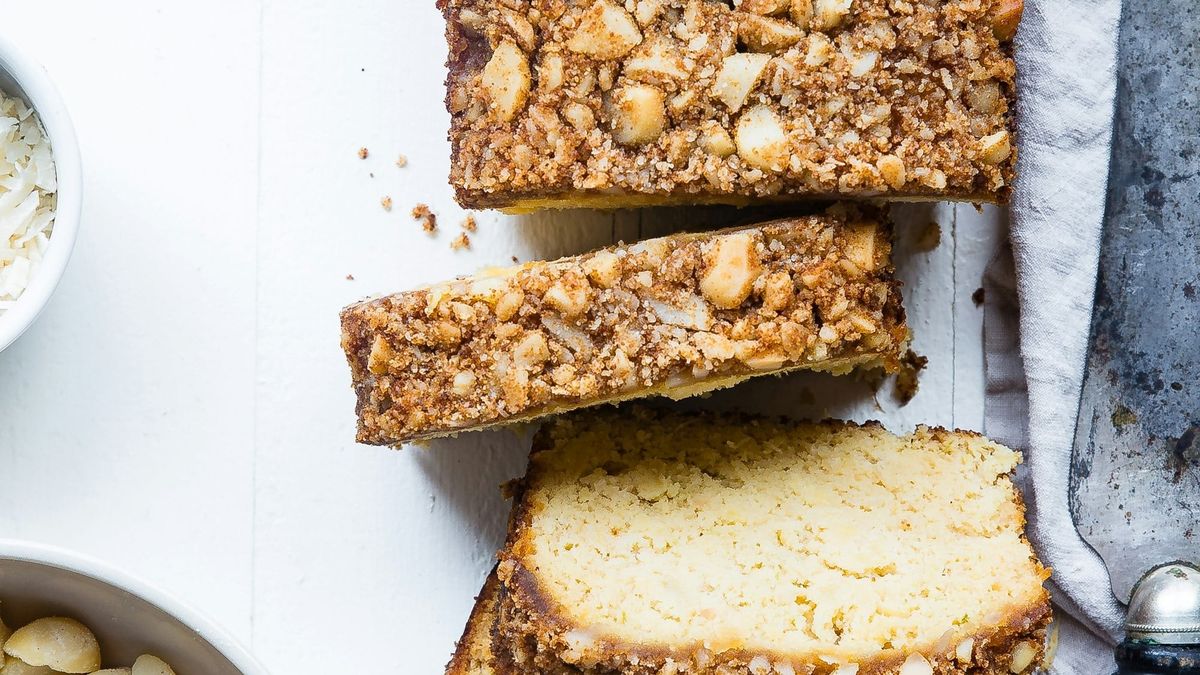
- Dessert: Gluten-free brownies
- Drinks: Orange juice, lemonade, coffee
Pros
For people with celiac disease and other related conditions, the gluten-free diet provides noticeable and proven benefits. It is the only effective treatment for celiac disease, improving its symptoms, gut health, and gut function. This helps prevent long-term complications associated with the disease (e.g., osteoporosis, infertility, and certain cancers).
When properly followed, the diet allows people with gluten sensitivity to ease most of their symptoms (e.g., diarrhoea, abdominal pain, fatigue, and brain fog). The evidence supporting these benefits is robust and consistent across multiple studies. However, for people without gluten-related intolerances, research does not support any health benefit.
This is an example of where certain diets are great for certain contexts, but have little carryover for anything else. Claims of increased energy, improved digestion, or enhanced athletic performance in the general population lack robust evidence. Current research does not support gluten-free diets for people without diagnosed gluten-related disorders.
Cons
Research shows that gluten-free diets, particularly those relying on processed gluten-free products, are often nutritionally inferior to most conventional diets.
Common deficiencies for those who follow the diet include dietary fibre, several B vitamins (thiamine, riboflavin, niacin, and folate), vitamin D, iron, zinc, magnesium, and calcium. Gluten-free processed foods also (typically) use refined starches and contain higher amounts of fat and sugars, meaning increased calorie density.
Weight control concerns are also noted, with studies reporting higher body weights among celiac patients after starting a gluten-free diet. This is potentially due to higher fat and calorie content in gluten-free alternatives. There's no evidence supporting weight loss benefits for the general population, and the diet may contribute to unintended weight gain if not carefully planned.
Practical challenges are also an issue as well. Gluten-free products are more expensive and create financial barriers for some people. Cross-contamination risks, limited food availability, and social challenges (e.g., eating out or social dining) can also present problems.
Bottom Line
The gluten-free diet is medically necessary and highly effective for people with celiac disease and gluten-related disorders. However, for the general population, it offers no proven benefits and carries risks of developing nutritional deficiencies. It is appropriate only for people with diagnosed gluten-related conditions, who are ideally under professional (medical and dietary) supervision.
Sources
Bascuñán KA, Vespa MC, Araya M. Celiac disease: understanding the gluten-free diet. Eur J Nutr. 2017 Mar;56(2):449-459. PMID: 27334430
Diez-Sampedro A et al. A Gluten-Free Diet, Not an Appropriate Choice without a Medical Diagnosis. J Nutr Metab. 2019 Jul 1;2019:2438934. PMID: 31354988
Mazzola AM et al. Gluten-Free Diet and Other Celiac Disease Therapies: Current Understanding and Emerging Strategies. Nutrients. 2024 Mar 29;16(7):1006. PMID: 38613039
Newberry C et al. Going Gluten Free: the History and Nutritional Implications of Today's Most Popular Diet. Curr Gastroenterol Rep. 2017 Sep 25;19(11):54. PMID: 28948465
Niland B, Cash BD. Health Benefits and Adverse Effects of a Gluten-Free Diet in Non-Celiac Disease Patients. Gastroenterol Hepatol (N Y). 2018 Feb;14(2):82-91. PMID: 29606920
Vici G et al. Gluten-free diet and nutrient deficiencies: A review. Clin Nutr. 2016 Dec;35(6):1236-1241. PMID: 27211234