
Diet & Nutrition
How Appetite Dictates Weight Loss and Your Body Weight
Your appetite is controlled by your brain, which responds to hormone signals. These signals go on to determine what, when and how much you eat.
Good health is the sum of your body, mind, and social well-being, and it rarely comes down to one factor. This page contains evidence-based articles on daily habits, lifestyle choices, and preventive strategies that shape your long-term physical health, mental health, quality of life and longevity.
Diet & Nutrition
Your appetite is controlled by your brain, which responds to hormone signals. These signals go on to determine what, when and how much you eat.
Health & Wellbeing
A series of lessons on body recomposition, explaining how you can lose fat and gain muscle at the same time.

Health & Wellbeing
Low energy, mood, libido, training plateaus, or too much body fat? This series will introduce you to practices that are known to increase your T levels.
Diet & Nutrition
The right diet can measurably lower your risk of heart disease. Here are three proven ones.
Diet & Nutrition
The right diet can measurably lower your risk of heart disease. Here are three proven ones.

Diet & Nutrition
No single diet holds the key to fat loss by itself. However, some diets are better than others; here are some of the good ones.
Diet & Nutrition
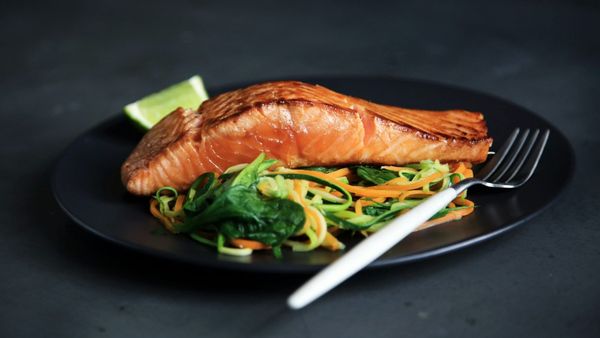
We reviewed the eight common core principles of the best-rated diets. Here's what they have in common.

Exercise & Fitness
Weight training is safe for children and teens. It has several well-known health benefits when done properly and supervised.

Health & Wellbeing
Intermittent fasting produces real, measurable improvements in blood pressure and cholesterol.
Health & Wellbeing
Fasting has real, biologically plausible effects on the brain. Still, the human evidence is more nuanced.
Health & Wellbeing
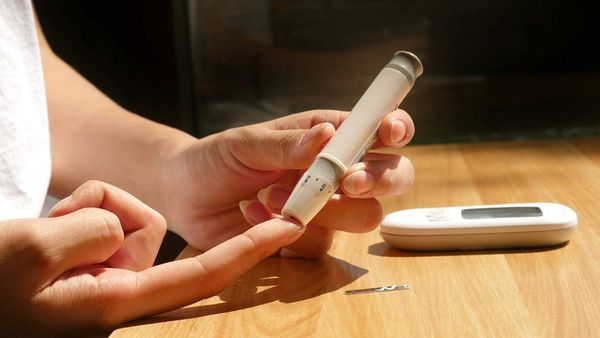
Intermittent fasting consistently improves blood sugar and insulin sensitivity, especially in people with type 2 diabetes.
Health & Wellbeing
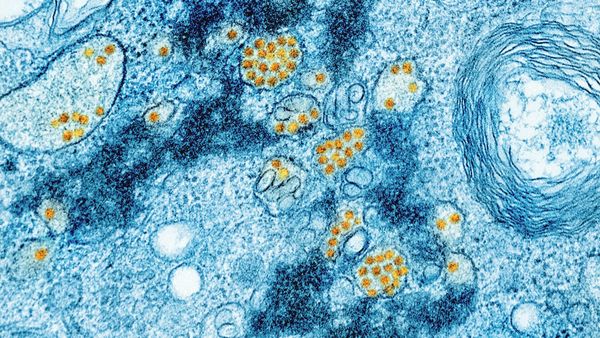
Autophagy is one of biology's most compelling cellular processes. But the gap between the science and the social media needs closing.