What to Eat for Better Sleep
Diets rich in certain nutrients can support better sleep, while others don’t. Eating the right things is one of the simplest ways to improve your sleep.


- Even a small coffee (around 100mg caffeine) must be consumed at least 9 hours before bed; a large one requires at least 13 hours.
- High-fibre diets promote deeper slow-wave sleep; diets high in saturated fat and sugar consistently produce lighter, more fragmented sleep.
- Even one beer or a small glass of wine measurably impairs sleep quality — including REM suppression — throughout the night.
Sleep is influenced by what you eat and drink, yet many people overlook the impact of their diet. This article looks at what foods and drinks are good and what to avoid for good sleep. We’ll also cover the science behind how specific nutrients, supplements, and dietary patterns affect your sleep.
Your diet plays a more important role in your sleep quality than you may think. The foods you eat throughout the day (and especially in the evening) influence your ability to fall asleep, stay asleep, and sleep well.
What foods help you sleep better?
The Mediterranean diet
Mediterranean-style eating patterns are strongly associated with better sleep quality and quantity. It’s rich in vegetables, fruits, whole grains, legumes, nuts, olive oil, and fish, which support sleep by reducing inflammation, improving gut health, and providing enough of the essential “sleep-promoting” nutrients.[1]
The Mediterranean diet isn't about individual "superfoods" but a “holistic” approach that is based on eating minimally processed, nutrient-dense foods with plenty of fibre and healthy fats (usually from olive oil).
Tryptophan-rich foods
Tryptophan is an essential amino acid your body uses to produce serotonin and melatonin, two "neurotransmitters" that are needed to regulate your sleep-wake cycles. Foods rich in tryptophan include dairy products (like milk, cheese, yoghurt), poultry (turkey, chicken), fish, eggs, soy products, nuts, and seeds.
Tryptophan supplementation at doses exceeding one gram per day can help improve sleep quality. That said, food sources provide more modest amounts, but regular consumption of tryptophan-rich foods can still offer benefits.[2]
A specific dairy protein called 'alpha-lactalbumin' (found in dairy products) has been shown to increase tryptophan when consumed in the evening, and it goes on to improve alertness and attention when you wake up.
Melatonin-rich foods
Several foods naturally contain melatonin or other substances that increase melatonin. Melatonin-rich tart cherry juice has been shown to improve both sleep quality and quantity. Other melatonin-rich food options are milk, kiwi, and some cereals. Several studies have shown that eating these foods in the evening, around an hour before bed, can improve sleep.[3]
Melatonin supplements (typically 0.5 to 3 mg taken 30 to 60 minutes before bed) can also improve sleep quality, particularly in adults with respiratory conditions, metabolic diseases, and sleep disorders. However, the benefits of melatonin supplementation on sleep in healthy people are less certain.[4]
Fatty fish, omega-3s and vitamin D
Salmon, mackerel, trout, and other fatty fish contain high levels of omega-3 fatty acids and vitamin D, which influence sleep quality by increasing serotonin production and reducing inflammation. Studies show that regular consumption of oily fish is associated with better sleep quality and daytime functioning.
While evidence for omega-3 supplementation shows mixed results by itself, including fatty fish in your diet 2 to 3 times per week provides these nutrients that are good for your sleep and for your overall health.
High-fibre food
High-fibre diets rich in fruits, vegetables, and whole grains are associated with deeper “slow-wave” sleep (the most important stage of sleep). Higher intake of saturated fat and sugar predicts lighter, more fragmented sleep; things not usually found in high-fibre foods. Eating fibre-rich foods can help you sleep by controlling your blood sugar levels overnight and promoting a healthy gut microbiome that helps you sleep.[5]
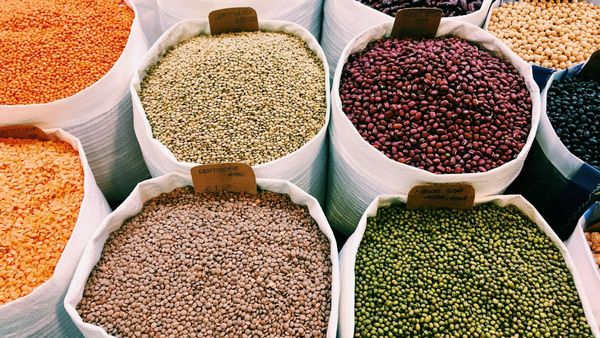
To improve your fibre intake: start your day with porridge or whole-grain cereals with fruit. Eat a large portion of salad and vegetables with your dinner. Choose whole grains over refined carbohydrates. Add beans and lentils to soups, stews, and broths. Snack on fruit or vegetable sticks with hummus.
Zinc-rich foods
Zinc-rich seafood (especially oysters) is shown to help you get to sleep faster and sleep better. The beneficial effects of zinc may relate to its role in sleep regulation and the 'neurotransmitters' in your brain, like serotonin, melatonin and GABA.[6]
Good sources of dietary zinc include: oysters and other shellfish, red meat, beans and pulses, pumpkin seeds, cashew nuts and almonds. The sleep improvements from zinc appear most pronounced when addressing deficiency or inadequate intake (which is surprisingly common).
Other vitamins and minerals for sleep
Multiple vitamins and minerals are important for sleep. So deficiencies in these nutrients are commonly found in people reporting poor sleep. These include:
- Magnesium, which is involved in producing melatonin and supports GABA (helps you relax). Good sources include whole grains, nuts, seeds, legumes, and leafy greens.
- B vitamins (particularly B1 and folate), vitamin D, vitamin C, and minerals like selenium, calcium, iron, and phosphorus have all been associated with better sleep. People who sleep poorly generally have lower intakes of these micronutrients.
Eat breakfast for better sleep
Regularly eating breakfast is associated with better sleep. Breakfast eaters have better control of their appetite throughout the day and better sleep quality compared to those who routinely skip their morning meal.[7]
The sleep benefits of eating breakfast regularly are thought to be related to maintaining consistent circadian eating patterns and avoiding the metabolic disruptions that come with prolonged morning fasting.
What to avoid for better sleep
Caffeine
Caffeine is probably the most powerful dietary disruptor of sleep; it can reduce total sleep time by approximately 45 minutes, it worsens how well you sleep and it makes it more difficult to get to sleep. You don’t have to give up caffeine entirely, but timing your intake is critical if you want to improve your sleep. Here's what the research recommends:[8]
A small coffee (~100 mg caffeine) should be consumed at least 9 hours before bedtime. A stronger or larger coffee or pre-workout supplement (over 200 mg) requires at least 13 hours before bed to avoid sleep disruption. This means if you aim to sleep at 10 PM, you should avoid caffeine after 1 PM for a small coffee, or after 9 AM for stronger sources of caffeine.
Caffeine lurks in obvious places (like coffee and energy drinks), but it is also in tea (especially black and green), many sodas, chocolate, some medications, and pre-workout supplements. Read the labels and get your timing right if you want to optimise your sleep.
Alcohol
While alcohol may make you feel sleepy initially and may help you fall asleep faster, it disrupts sleep quality throughout the night. Alcohol suppresses 'REM sleep' (the stage associated with memory and emotional processing), fragments your sleep, and causes more awakenings in the second half of the night.
Even low to moderate alcohol intake (e.g., 1 beer or a small glass of wine) affects your sleep quality. For restful, restorative sleep, reduce alcohol consumption pretty much to zero, and avoid drinking within 3 hours of bed.
Nicotine
Nicotine from smoking, vaping, nicotine pouches, or gum also reduces sleep quality. Smokers and nicotine users commonly have more difficulty getting to sleep, waking up more often, and getting less restorative sleep.
Like caffeine, the stimulant effects of nicotine interfere with your ability to fall asleep and maintain deep sleep stages. If you use nicotine products, avoiding them for several hours before bedtime can help minimise sleep disruption, though avoiding them entirely and reducing the amount you use them will provide the greatest benefits to your sleep.
Cannabis and THC
Despite many people using cannabis to help with sleep, researchers group it with alcohol, nicotine, and caffeine as substances that reduce sleep quality.
While the evidence isn’t as conclusive, habitual cannabis use is associated with poorer sleep. However, some people with health conditions who severely struggle with their sleep (e.g., sleep disorders, chronic pain, PTSD, multiple sclerosis), have reported positive effects of cannabis use on sleep.
Ultra-processed foods, sugar and saturated Fat
Diets high in saturated fat, added sugars, and ultra-processed foods are linked with lighter, less restorative sleep and insomnia. People with poor sleep consume more ultra-processed foods compared to good sleepers.[9]
These foods may impair sleep by destabilising blood sugar levels, increasing inflammation, and worsening your gut microbiome, body weight and hormonal health. Skip the soft drinks, energy drinks, packaged foods, fast food, instant and microwave foods, sweets and confectionery, or keep it to a minimum.
Late-night eating
Eating large meals close to bedtime or consuming high-fat, high-carbohydrate snacks in the evening disrupts your “nighttime metabolism”. It’s linked to poorer health and sleep outcomes. Late-night eating can interfere with the body's natural “circadian rhythm” and the processes that should occur just before and during sleep.[10]
People who eat most of their calories later in the day have a higher risk of obesity and metabolic diseases. The evidence suggests “front-loading” calories earlier in the day is better for your health and sleep quality. The high-salt intake from processed foods is also associated with poorer sleep quality by affecting blood pressure and fluid balance, which disrupt comfort when in bed.
What supplements are good (or not so good) for sleep
- Ashwagandha extract has demonstrated small but measurable improvements in both sleep quantity and quality in adults with insomnia or poor baseline sleep. While the effects are modest, it is one of the better-studied herbal supplements for sleep.[11]
- Creatine: Although we’ve heard of anecdotal reports, we’re not aware of any high-quality research showing that creatine affects sleep in any profound way.
- Chamomile & Herbal Teas: While they may not robustly promote sleep, caffeine-free herbal teas serve as a reasonable, cheap, safe bedtime drink that can be part of a relaxing routine. They're definitely preferable to caffeinated drinks.