Atkins Diet: A Review
A pioneering low-carbohydrate diet with a long track record, real trade-offs, and specific use cases.

- The Atkins diet is a low-carb, high-protein diet, designed to shift the body from burning carbohydrates to fat.
- It produces marginally better short-term weight loss compared to standard weight loss diets, but long-term outcomes are roughly the same.
- There are nutritional and cardiovascular concerns for some people, and better options exist for general health and controlling your weight.
The Atkins diet is a low-carb, high-fat, high-protein diet created by cardiologist Dr Robert Atkins in the 1970s. The diet works by restricting carbohydrate intake. This shifts the body from using carbohydrates for fuel to fat, which targets fat loss while allowing unrestricted intake of protein and fat.
The diet is structured in phases, beginning with a highly restrictive “induction” phase that limits carbohydrate intake to about 20 grams per day (primarily from non-starchy vegetables). After this, carbohydrates are gradually reintroduced while monitoring responses to them.
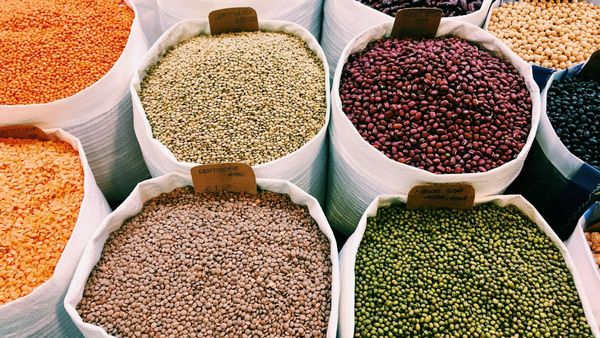
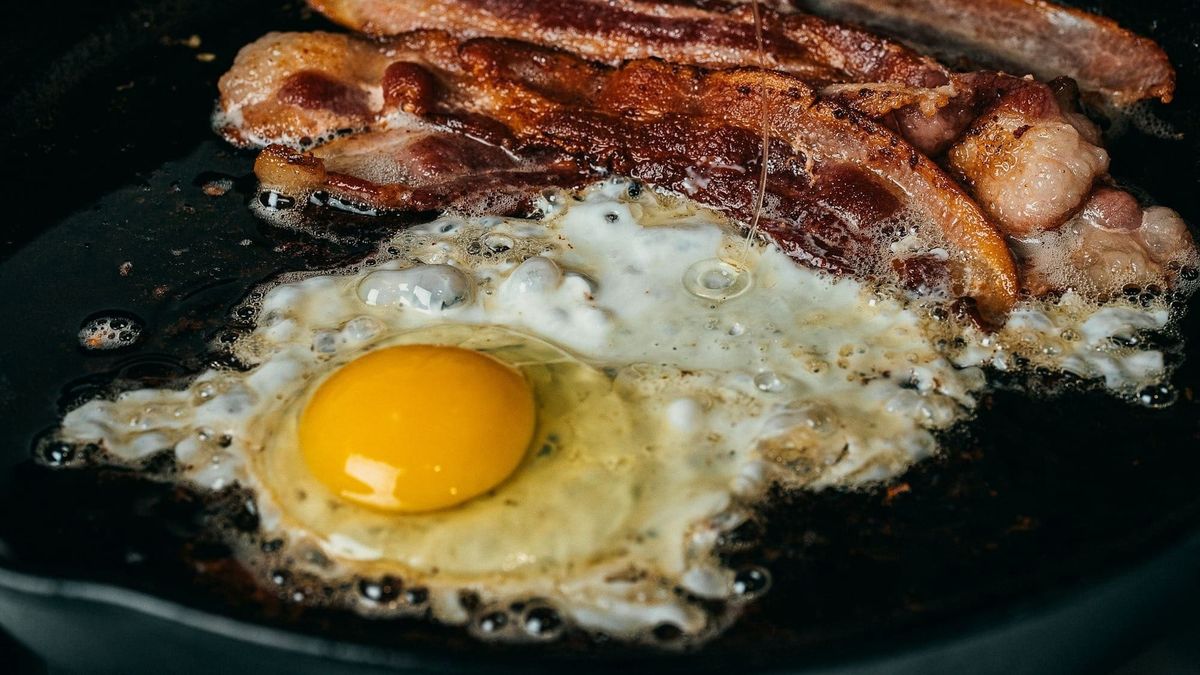
The foods emphasised in the diet are: meat, fish, eggs, cheese, oils, butter, and low-carbohydrate vegetables. Whereas grains, legumes, most fruits, starchy vegetables (e.g., potatoes, peas and corn), and sugar are severely restricted or eliminated. That said, there are modified versions of the diet that are less restrictive.
The reduced carbohydrate intake lowers the amount of a hormone called insulin that is released. This increases the release and burning of body fat. So, proponents of the diet argue it offers advantages for weight loss and fat loss beyond simple calorie restriction. However, it also requires a significant departure from recommended dietary guidelines (based on whole grains, fruit and vegetables).[1]
Example Foods & Dishes
- Breakfast:
- Fried eggs with bacon, cheddar cheese, and spinach.
- Low-carb protein shake made with cream & berries.
- Lunch:
- Bunless bacon cheeseburger, salad and dressing.
- Grilled chicken Caesar salad, no croutons.
- Snack:
- String cheese and pepperoni slices.
- Celery sticks with cream cheese.
- Dinner:
- Ribeye steak with butter, roasted broccoli and cheese sauce.
- Baked salmon with asparagus and hollandaise sauce.
- Dessert: Sugar-free gelatin with whipped cream.
- Drinks: Black coffee and cream, unsweetened iced tea
Pros
The health benefits of the Atkins diet are limited to certain conditions, rather than promoting good all-round health. Some versions of the diet have been shown to help reduce seizures and improve quality of life in epilepsy patients. There’s also some evidence suggesting that it may improve brain health in Alzheimer’s disease and improve the quality of life in cancer patients.[2][3]
Several studies have shown that the Atkins diet outperforms low-fat diets for weight loss over 6 months, but is about the same over 12 months, so marginally better for short-term weight loss. The weight loss you see on the diet tends to come from reduced calorie restriction, as a result of the higher protein and fat intake, rather than any underlying metabolic changes.[1]
Cons
The diet is nutritionally restrictive and creates a risk of deficiencies (e.g., vitamins, minerals, dietary fibre). Researchers have reported that the diet increases the risk of cardiovascular disease in some people. Gut health issues (constipation and irregular bowel movements) are also reported. There are also links between the Atkins diet and damage to the organs and blood vessels.[4]
Adherence to the diet is low. Its restrictive approach, limited food choices, the cost and social and cultural barriers make it difficult to follow. The health benefits beyond some specific ‘neurological’ conditions are limited, and uncertainty around the long-term cardiovascular disease risks is problematic.[1][2]
Bottom Line
Under medical supervision, the Atkins diet can be used to clear up some specific ‘neurological’ conditions, and the weight loss is comparable to other calorie-restriction diets. However, there are concerns about nutritional adequacy, long-term impact on health and how practical the diet is to follow. For general health and maintaining a healthy body weight, we believe there are better diets around.
Overall Score: ★★★☆☆
- Health Benefits: ★★★☆☆
- Nutrition: ★★☆☆☆
- Weight Control: ★★★☆☆
- Ease to Follow: ★★☆☆☆
- Safety Profile: ★★★☆☆
- Scoring System
Sources
- Astrup, A., Larsen, T., & Harper, A. (2004). Atkins and other low-carbohydrate diets: hoax or an effective tool for weight loss?The Lancet, 364, 897-899. PMID: 15351198
- Kossoff, E., Cervenka, M., Henry, B., Haney, C., & Turner, Z. (2013). A decade of the modified Atkins diet (2003–2013): Results, insights, and future directions. Epilepsy & Behavior, 29, 437-442. PMID: 24386671
- Tan-Shalaby, J et al. (2016). Modified Atkins diet in advanced malignancies - final results of a safety and feasibility trial within the Veterans Affairs Pittsburgh Healthcare System. Nutrition & Metabolism, 13. PMID: 27525031
- Beisswenger, B., et al. (2005). Ketosis leads to increased methylglyoxal production on the Atkins diet. Annals of the New York Academy of Sciences, 1043, 427-434. PMID: 16037240