BRAT Diet: A Review
A short-term dietary protocol for digestive recovery: simple, gentle, but limited in nutritional scope.

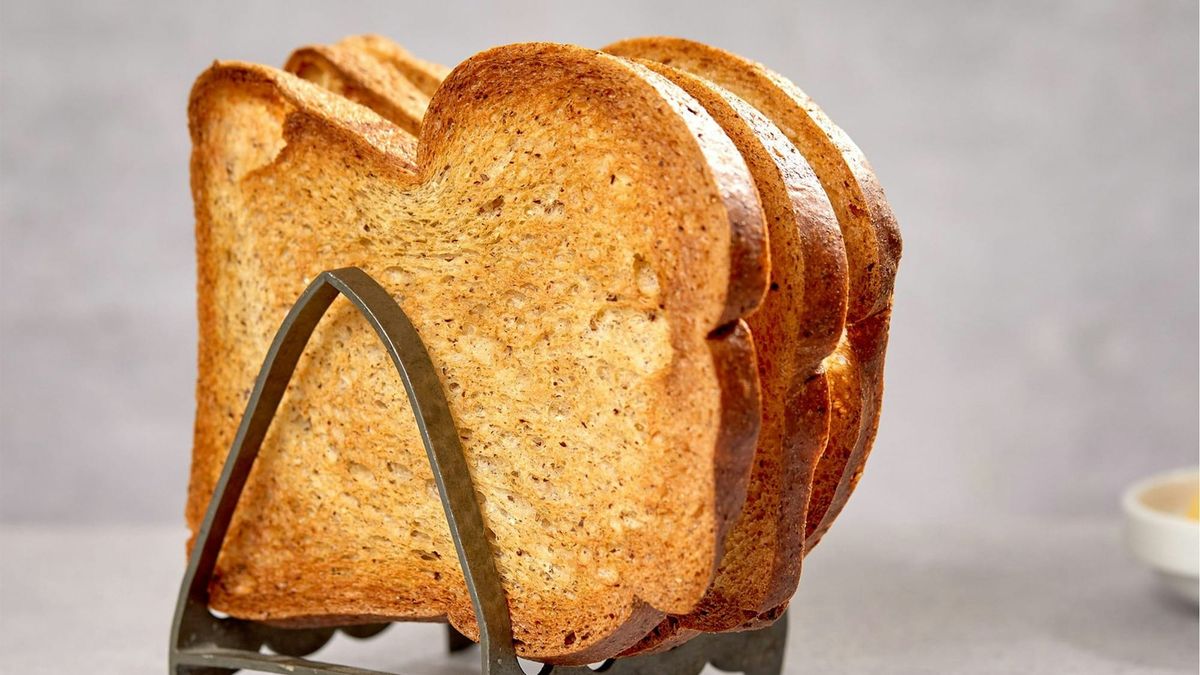
- BRAT stands for Bananas, Rice, Applesauce and Toast, which is what the diet is limited to; low-fibre, easy-to-digest foods only.
- The BRAT diet is traditionally followed for a day or two to acutely treat stomach problems or illnesses (alongside other treatments).
- There are now healthier ways to combat acute gut issues that do a similar (or better) job. The aim is to return to a healthy diet as quick as possible.
The BRAT diet is a short-term eating plan that is used to help settle the stomach after a bout of diarrhoea, vomiting, or acute gastroenteritis. The name is an acronym for its four core foods: Bananas, Rice, Applesauce, and Toast. These are all bland, low-fibre, easy-to-digest foods (“low residue”) that are gentle on an irritated digestive system.
The diet has been a staple of home and clinical advice for decades (particularly for children) and was once the standard recommendation from doctors after any stomach illness. Today, it is viewed more as a brief transition tool than a proper treatment option.
Most current guidelines recommend returning to a normal, balanced diet as quickly as possible. That said, it still has a practical role in the first day or two of recovery, when eating anything more substantial can feel too much.
The rationale behind the diet is straightforward. When the gut is inflamed, tired or overactive, simple, starchy, low-residue foods are easier to process and less likely to aggravate symptoms — it the hands off approach, a rest day (or two) for your digestive system.
However, there is some other benefits: bananas provide potassium (often depleted through diarrhoea and vomiting) and “pectin” (a soluble fibre that can help firm up stools); rice and toast provide simple carbohydrates for energy without stimulating the gut and; applesauce offers gentle natural sugars and more pectin.
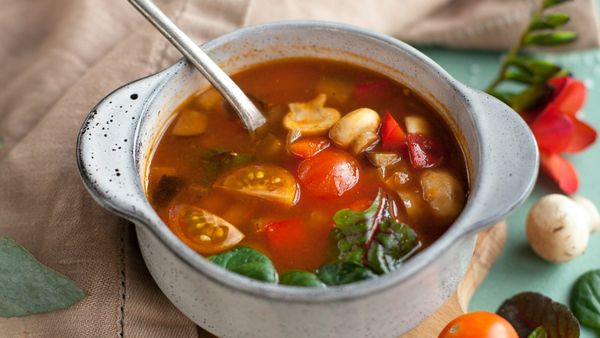
Critically, the BRAT diet is always used alongside, not instead of, adequate fluid and electrolyte replacement. Sometimes soup or broth is recommended alongside the other foods for hydration and their salt (and sodium) content. Oral (re)hydration is the most important step in managing gastroenteritis; the BRAT diet comes second.
Example foods and dishes
- Breakfast: Plain white rice porridge (congee) with a pinch of salt or White toast (no butter) with a thin spread of applesauce
- Lunch: Small bowl of plain boiled white rice with a mashed banana on the side, or Plain white toast with a small portion of applesauce
- Snack: A ripe banana or a small pot of smooth applesauce
- Dinner: Plain boiled white rice with a light, salt-based broth or mashed banana with a small bowl of plain rice
- Dessert: Plain applesauce, served at room temperature
- Drinks: Oral rehydration solution, water, clear broth, weak herbal tea
Pros
The BRAT diet does exactly what it is designed to do: provide easy-to-tolerate food during the worst of a stomach illness. The four foods that form the diet are bland enough to be palatable when you're nauseous and low enough in fibre and fat to avoid aggravating an already upset gut.
Rice-based foods in particular have been shown to reduce stool frequency (particularly in children) with acute diarrhoea, and the pectin in bananas and applesauce may also help normalise stool consistency.
The diet is also very practical, which contributes to its popularity. All four foods are inexpensive, widely available, and familiar across age groups from toddlers to older adults. There is no complication, preparation, equipment or cooking skills required.
Plain white rice and toast require minimal effort, which matters a lot when you are feeling unwell. Community health programmes have shown that families quickly understand and implement BRAT diets for home care for stomach upsets, suggesting it is genuinely accessible as first-line guidance — for most medical treatments, this is half the battle.
The diet is pretty safe for the short period it is intended to be used (1-2 days), provided fluids and “electrolytes” (mainly sodium) are being replaced alongside it.
Cons
The BRAT diet's biggest limitation is that it is nutritionally very poor — this is done by design. It is extremely low in protein, fibre, fat, vitamins, and minerals (particularly calcium, vitamin D and B12). This is fine for one or two days while the stomach is recovering, but it becomes a problem if followed for any longer.
Protein and certain micronutrients are essential for recovery, repair and immune function, all of which matter during recovery from illness. Prolonged use can actually slow recovery rather than support it.
This is why a lot of experts have stopped recommending it as standard practice (certainly beyond a day or two), and instead recommend a broader, more diverse, "bland diet" that includes gentle, low-fibre, and low-fat foods, and returning to normal eating as soon as it can be tolerated.
Early reintroduction of a varied diet supports recovery better than prolonged restriction.
The diet is also not suitable as anything other than a temporary measure. It has no role in weight management, long-term gut health, or any condition other than short-term acute digestive upset. Using it for longer than intended, or outside of that specific context, offers no benefit and risks creating nutritional deficiencies and other health issues.
Bottom Line
The BRAT diet is a sensible, practical, short-term tool for getting through the worst one to two days of a stomach illness. It is easy to follow, gentle on the gut, and broadly appropriate for adults and children (ensuring that you are properly hydrated).
Its limitations are just as clear: it is not nutritionally adequate beyond the very short term, and it should be followed by a rapid return to normal eating. There are also more varied, healthier diets available (e.g. low-residue or bland diet) that do a similar job (if not better for some conditions).
If symptoms persist beyond a couple of days or if there are signs of dehydration, medical advice should be sought rather than continuing on BRAT foods alone.
Sources
Churgay, CA & Aftab, Z. (2012). Gastroenteritis in children: part I. Diagnosis. American Family Physician, 85(11), 1059–1062. PMID: 22706834
Daley SF, Sharma S. Therapeutic Diets for the Management of Gastrointestinal Conditions and Preoperative and Postoperative Care. [Updated 2025 Aug 9]. In: StatPearls [Internet]. Treasure Island (FL): StatPearls Publishing; 2026 Jan-. Available from: https://www.ncbi.nlm.nih.gov/books/NBK538500/
King, CK et al. (2003). Managing acute gastroenteritis among children: oral rehydration, maintenance, and nutritional therapy. MMWR Recommendations and Reports, 52(RR-16), 1–16. PMID: 14627948
Guarino, A et al. (2014). European Society for Paediatric Gastroenterology, Hepatology and Nutrition evidence-based guidelines for the management of acute gastroenteritis in children in Europe. Journal of Pediatric Gastroenterology and Nutrition, 59(1), 132–152. PMID: 24739189
Ntaba, D. (2004). BRAT diet: axiom or unsubstantiated myth? Nutrition in Clinical Practice, 26, 27. PMID:15797862