What Foods & Supplements Lower Cortisol
By R.Davies, PhD・Nutrition
Published April 07, 2026 | 6 min read
Your diet can’t completely limit all the stress in your life. But it can change how your body responds to it. Cortisol, a glucocorticoid hormone released from your adrenal glands in response to stress, is sensitive to the nutritional environment you create in your body, so it can be influenced by your diet. Some of the things you eat exacerbate cortisol's release and its effects. But eating the right things can lower and help control your cortisol response and reduce its negative effects on your body.
Subscribe For Weekly Updates
Get new content delivered to your inbox once per week. No spam — just practical, evidence-based content.
Thank You For Signing Up!
You’re now subscribed to receive practical, evidence-based health insights direct to your inbox every week.
Check your email for a quick confirmation.
Can or Should You Actually Reduce Your Cortisol?
Yes, but you don’t want to eliminate cortisol. You need cortisol to wake up, to exercise, to fight infections and to respond to threats in your environment — read our article “What Is Cortisol: Hero or Villain?” for more info. What you want is for cortisol to follow its natural rhythm:
- High in the morning
- Declining throughout the day
- Low at night
- Spikes in response to genuine stress
- Return to baseline quickly after spiking
Diet and supplement changes are most effective at reducing cortisol when levels are already mild to moderately high, typically due to stress, poor sleep, overtraining, poor general health, or an unhealthy lifestyle.
They aren’t going to fix high cortisol if you have specific or serious medical conditions causing it — that’ll require a specialist healthcare. But bringing persistently high cortisol levels back to normal should have measurable benefits like improving your sleep, body composition, physical health and mental health. The goal is not to eliminate cortisol or suppress its normal, healthy short-term response to stress; rather, it is to bring your cortisol levels back under control.
How Do You Know If You Have High Cortisol?
Confirming you definitely have high cortisol means testing — this means a blood, urine or hair follicle sample and an expensive test. However, several symptoms suggest your cortisol is running too high:
- Fatigue that doesn’t improve with rest (“tired but wired”)
- Difficulty falling asleep, staying asleep or waking up early
- Increased appetite for junk foods, weight gain around the abdomen
- Slow recovery from exercise, getting ill often, low libido, anxiety and irritability.
If you recognise several of these, it's worth discussing them with your doctor before making any significant lifestyle changes.
Foods That Lower Cortisol
Carbohydrates
When your blood sugar levels drop, your body will release cortisol (and some other hormones) to bring them back up. So, to avoid spiking your cortisol throughout the day, you need to avoid the large swings in your blood sugar levels when you eat. Do this by eating enough protein and fat at each meal, choosing fibre-rich, low-glycaemic carbohydrates, and avoiding ultra-processed foods.
Increasing your carbohydrate intake (particularly when under stress) within a healthy, whole-food diet actually reduces cortisol, your stress levels and recovery from stress after being exposed to it [1][2]. So, eating carbohydrate-rich whole foods like fruits, vegetables, legumes and wholegrains can be used to control your cortisol — especially for people who’re training hard or under quite a bit of stress already. Yes, this means that low-carbohydrate diets tend to increase your cortisol levels [3].
But the good news is that the increase in cortisol levels only lasts for about 3 weeks into the diet, and tends to return to normal after that — the cortisol increase doesn’t seem to be permanent. But, you may want to avoid (or minimise) exposing yourself to any extra stress if you’re planning on significantly reducing your carbohydrate intake.
Fasting & Caloric Restriction
This also means that fasting and calorie-restriction diets increase cortisol levels [4]. But again, over time, your cortisol levels will drift back to normal levels as your body adapts to being exposed to repeated fasts or low-calorie diets.
So, despite the positive effects on your body weight and health, fasting doesn’t lower your cortisol. In fact, skipping meals or one-off fasts will actually increase your cortisol by tanking your blood sugar levels.
Mediterranean Diet
One diet that does lower your cortisol levels is the Mediterranean diet. It actually beats following standard dietary guidelines for lowering cortisol (as well as having many other health benefits) [5]. This makes sense because the Mediterranean diet is naturally rich in several cortisol-lowering nutrients like magnesium, omega-3s, plant polyphenols and vitamin C.
What Supplements Lower Cortisol?
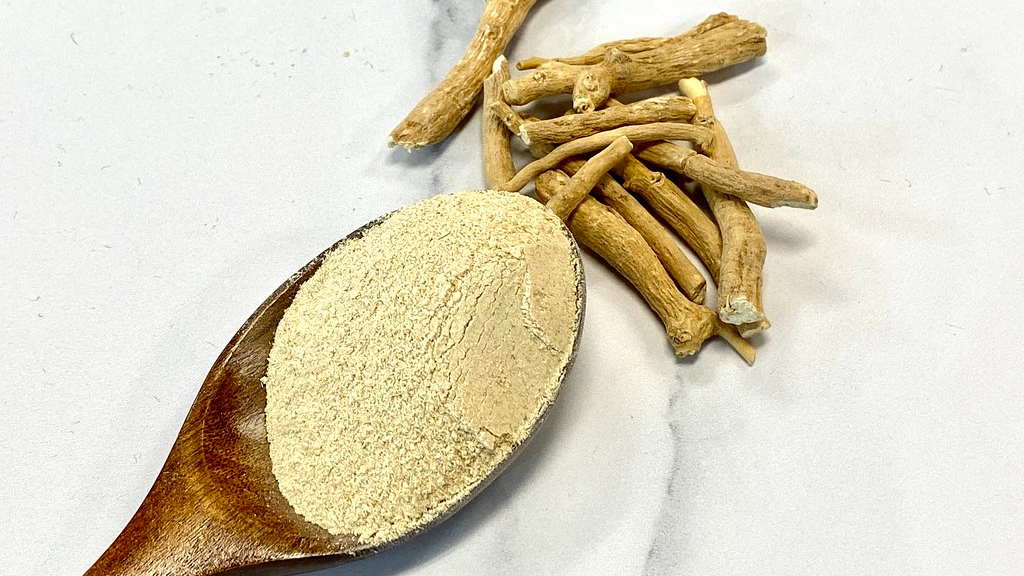
Ashwagandha (or 'Withania somnifera') is probably the best (and maybe the only) supplement that meaningfully lowers cortisol [6]. It also lowers stress, anxiety and improves sleep. For lowering cortisol, higher doses (500 to 600 mg/day standardised to 5% withanolides) are more effective than to lower-doses (under 300 mg/day). There are loads of other supplements that have been shown to lower cortisol.
Magnesium, boron, fish oil and omega-3s, green and black tea extracts, amino acids (e.g, tryptophan, ornithine, lysine, arginine), and a dozen other plant extracts that have antioxidant and/or anti-inflammatory properties [7][8]. However, they do not have the same level of consistent evidence as ashwagandha does. So we cannot recommend them at the moment for specifically lowering cortisol.
What Increases Cortisol
Caffeine
Caffeine from your morning coffee keeps your cortisol high by delaying the normal decline that occurs after you wake. Consuming caffeine later in the day also prevents the cortisol from decreasing to normal levels around bedtime. Your cortisol response to stress also increases if you are caffeinated. It is thought to directly stimulate cortisol release, so you're best avoiding caffeine if you want to keep your cortisol levels low [7].
Alcohol
Some people tend to turn to the bottle when stressed. However, alcohol actually increases your cortisol levels by keeping them high. Regular drinkers also have higher cortisol levels even if they haven’t drunk anything, suggesting that alcohol affects their cortisol control systems [9]. It also negatively affects your sleep, which could drive your cortisol levels even higher. Like caffeine, you are best avoiding it.
Key Takeaways
You can see from the list of nutrients above why you are better off targeting a well-rounded, nutrient-rich diet to start with. The Mediterranean diet is a good place to start. Eating enough eggs, dairy, and other high-quality proteins will supply all the amino acids you need.
Oily fish will provide omega-3s. Eating a wide variety of colourful fruits and vegetables will provide enough phytonutrients, vitamins and minerals. You can then use supplements when you are deficient in any food group or can’t attain enough of it from your diet. If you want to keep your cortisol low, you’re best off avoiding caffeine and alcohol as well.
Frequently Asked Questions
Does skipping breakfast raise cortisol?
Likely yes. Skipping breakfast will extend your overnight fast and keep your cortisol levels higher until you eat. A whole food breakfast, containing carbohydrates, proteins and fat, should lower your cortisol awakening response quicker.
Does coffee increase cortisol?
Yes. After you wake up, your cortisol levels spike and then drop throughout the day. Caffeine pauses this decline or possibly increases your cortisol levels. Avoid caffeine to keep your cortisol low.
Does magnesium lower cortisol?
Yes. Magnesium reduces your cortisol levels [10]. You can get magnesium from nuts, seeds, dark chocolate, legumes and leafy greens.
Does L-theanine lower cortisol?
Possibly. Although it seems to decrease stress levels, it does not consistently lower cortisol levels across different studies. Research is ongoing on this supplement.
Does intermittent fasting lower cortisol?
No, it actually increases it! There is some evidence that your body may adapt over time. But if you want to keep your cortisol low, avoid aggressive calorie restrictions.
Sources
1. Soltani H et al. Increasing dietary carbohydrate as part of a healthy whole food diet intervention dampens eight week changes in salivary cortisol and cortisol responsiveness. Nutrients. 2019;11(11):2563. PMID: 31652899
2. McAllister MJ et al. "Exogenous carbohydrate reduces cortisol response from combined mental and physical stress." International Journal of Sports Medicine. 2016;37(14):1159–1165. PMID: 27716864
3. Whittaker J, Harris M. Low-carbohydrate diets and men's cortisol and testosterone: Systematic review and meta-analysis. Nutrition and Health. 2022;28(4):543–554. PMID: 36441516
4. Nakamura Y et al. Systematic review and meta-analysis reveals acutely elevated plasma cortisol following fasting but not less severe calorie restriction. Stress. 2016;19(2):151-7. PMID: 26586092
5. Alufer M et al. Long-term green-Mediterranean diet may favor fasting morning cortisol stress hormone; the DIRECT-PLUS clinical trial. Frontiers in Endocrinology. 2023;14:1243910. PMID: 38034010
6. National Institutes of Health. “Office of Dietary Supplements - Ashwagandha: Is It Helpful for Stress, Anxiety, or Sleep?” Ods.od.nih.gov, 24 Oct. 2023, ods.od.nih.gov/factsheets/Ashwagandha-HealthProfessional/.
7. Stachowicz M, Lebiedzińska A. The effect of diet components on the level of cortisol. European Food Research and Technology. 2016 Dec;242(12):2001-9.
8. Smriga M, Ando T, Akutsu M, Furukawa Y, Miwa K, Morinaga Y. Oral treatment with L-lysine and L-arginine reduces anxiety and basal cortisol levels in healthy humans. Biomed Res. 2007 Apr;28(2):85-90. PMID: 17510493
9. Badrick E, Bobak M, Britton A, Kirschbaum C, Marmot M, Kumari M. The relationship between alcohol consumption and cortisol secretion in an aging cohort. J Clin Endocrinol Metab. 2008 Mar;93(3):750-7. PMID: 18073316
10. Schutten JC et al. Long-term magnesium supplementation improves glucocorticoid metabolism: A post-hoc analysis of an intervention trial. Clin Endocrinol (Oxf). 2021 Feb;94(2):150-157. PMID: 33030273
Published: April 07, 2026
Lead Author: R.Davies, PhD, MRes, BSc, CPT, FHEA | Author Bio
Dr Davies is a physiologist specialising in human health, performance and nutrition.
Alphabet Guides provides independent, evidence-based information you can trust. Learn more about our Editorial Standards.
Disclaimer: The information on this website is for educational purposes only. It should not be used as a substitute for medical advice from a qualified healthcare professional.