What Foods & Supplements Lower Cortisol
High cortisol doesn't have to be permanent. There are several proven dietary changes you can make to bring your cortisol back under control.

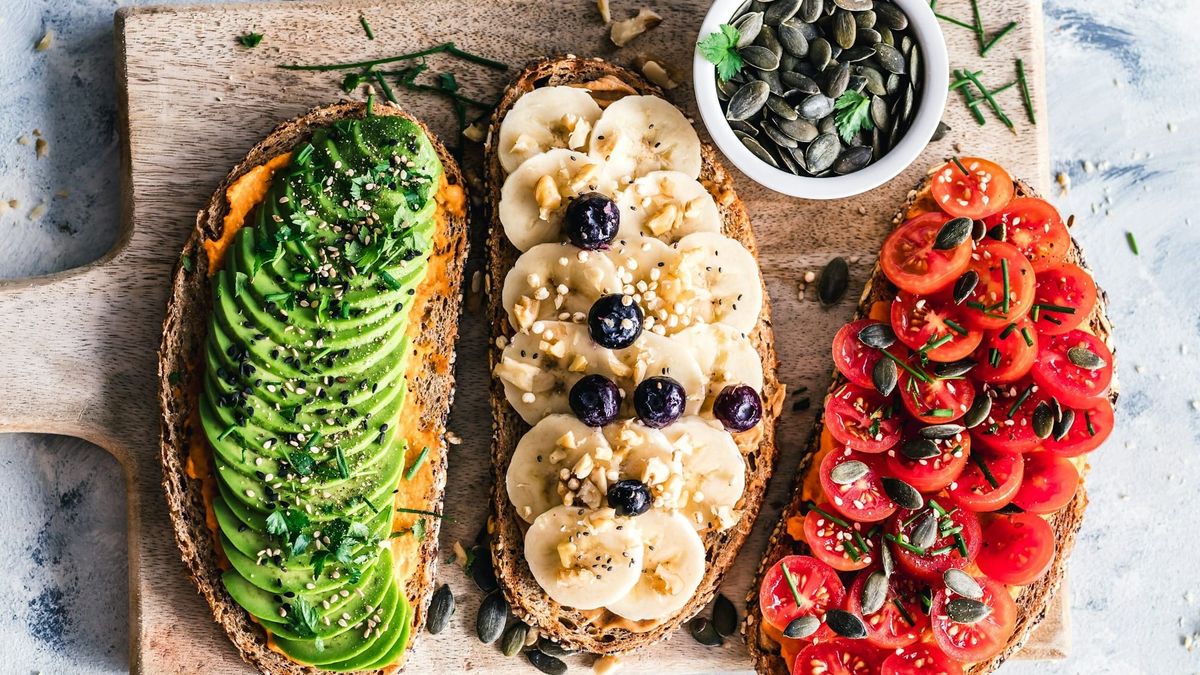
- A Mediterranean-style diet reduces cortisol more effectively than most diets, due to its high content of magnesium, omega-3s, and polyphenols.
- Low-carbohydrate diets and fasting increase cortisol. Whereas eating whole-food carbohydrates reduces cortisol.
- Ashwagandha is the only supplement with consistent evidence for lowering cortisol; caffeine and alcohol both increase it.
Your diet can’t completely limit all the stress in your life. But it can change how your body responds to it. Cortisol, a glucocorticoid hormone released from your adrenal glands in response to stress, is sensitive to the nutritional environment you create in your body, so it can be influenced by your diet.
Some of the things you eat exacerbate cortisol's release and its effects. But eating the right things can lower and help control your cortisol response and reduce its negative effects on your body.
Can or should you actually reduce your cortisol?
Yes, but you don’t want to eliminate cortisol. You need cortisol to wake up, to exercise, to fight infections and to respond to threats in your environment — read our article “What Is Cortisol: Hero or Villain?” for more info. What you want is for cortisol to follow its natural rhythm:
- High in the morning
- Declining throughout the day
- Low at night
- Spikes in response to genuine stress
- Return to baseline quickly after spiking
Diet and supplement changes are most effective at reducing cortisol when levels are already mild to moderately high, typically due to stress, poor sleep, overtraining, poor general health, or an unhealthy lifestyle.
They aren’t going to fix high cortisol if you have specific or serious medical conditions causing it — that’ll require specialist healthcare. But bringing persistently high cortisol levels back to normal should have measurable benefits like improving your sleep, body composition, physical health and mental health.
The goal is not to eliminate cortisol or suppress its normal, healthy short-term response to stress; rather, it is to bring your cortisol levels back under control.
How do you know if you have high cortisol?
Confirming you definitely have high cortisol means testing — this means a blood, urine or hair follicle sample and an expensive test. However, several symptoms suggest your cortisol is running too high:
- Fatigue that doesn’t improve with rest (“tired but wired”)
- Difficulty falling asleep, staying asleep or waking up early
- Increased appetite for junk foods, weight gain around the abdomen
- Slow recovery from exercise, getting ill often, low libido, anxiety and irritability.
If you recognise several of these, it's worth discussing them with your doctor before making any significant lifestyle changes.
Foods that lower cortisol
Carbohydrates
When your blood sugar levels drop, your body will release cortisol (and some other hormones) to bring them back up. So, to avoid spiking your cortisol throughout the day, you need to avoid the large swings in your blood sugar levels when you eat. Do this by eating enough protein and fat at each meal, choosing fibre-rich, low-glycaemic carbohydrates, and avoiding ultra-processed foods.
Increasing your carbohydrate intake (particularly when under stress) within a healthy, whole-food diet actually reduces cortisol, your stress levels and recovery from stress after being exposed to it.[1][2]
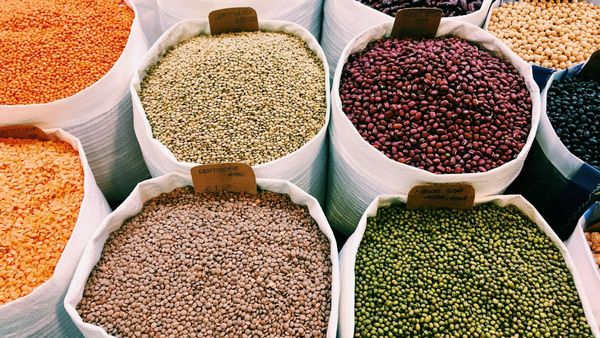
So, eating carbohydrate-rich whole foods like fruits, vegetables, legumes and wholegrains can be used to control your cortisol — especially for people who’re training hard or under quite a bit of stress already. Yes, this means that low-carbohydrate diets tend to increase your cortisol levels.
But the good news is that the increase in cortisol levels only lasts for about 3 weeks into the diet, and tends to return to normal after that — the cortisol increase doesn’t seem to be permanent.[3]
You may also want to avoid (or minimise) exposing yourself to any extra stress if you’re planning on significantly reducing your carbohydrate intake.
Fasting and calorie restriction
This also means that fasting and calorie-restriction diets increase cortisol levels. But again, over time, your cortisol levels will drift back to normal levels as your body adapts to being exposed to repeated fasts or low-calorie diets.[4]
So, despite the positive effects on your body weight and health, fasting doesn’t lower your cortisol. In fact, skipping meals or one-off fasts will actually increase your cortisol by tanking your blood sugar levels.
Mediterranean diet
One diet that does lower your cortisol levels is the Mediterranean diet. It actually beats following standard dietary guidelines for lowering cortisol (as well as having many other health benefits).[5]
This makes sense because the Mediterranean diet is naturally rich in several cortisol-lowering nutrients like magnesium, omega-3s, plant polyphenols and vitamin C.