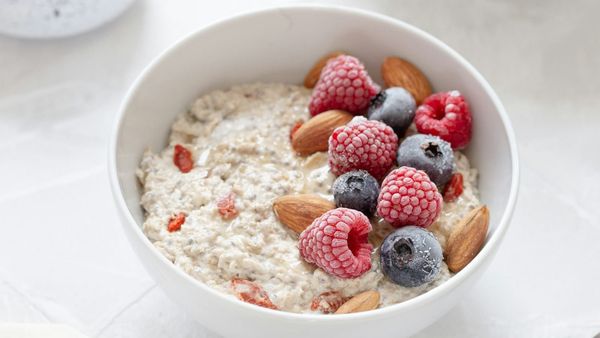
Paleo Diet: A Review
A whole-food diet modelled on presumed ancestral eating patterns, with promising but mixed scientific support.

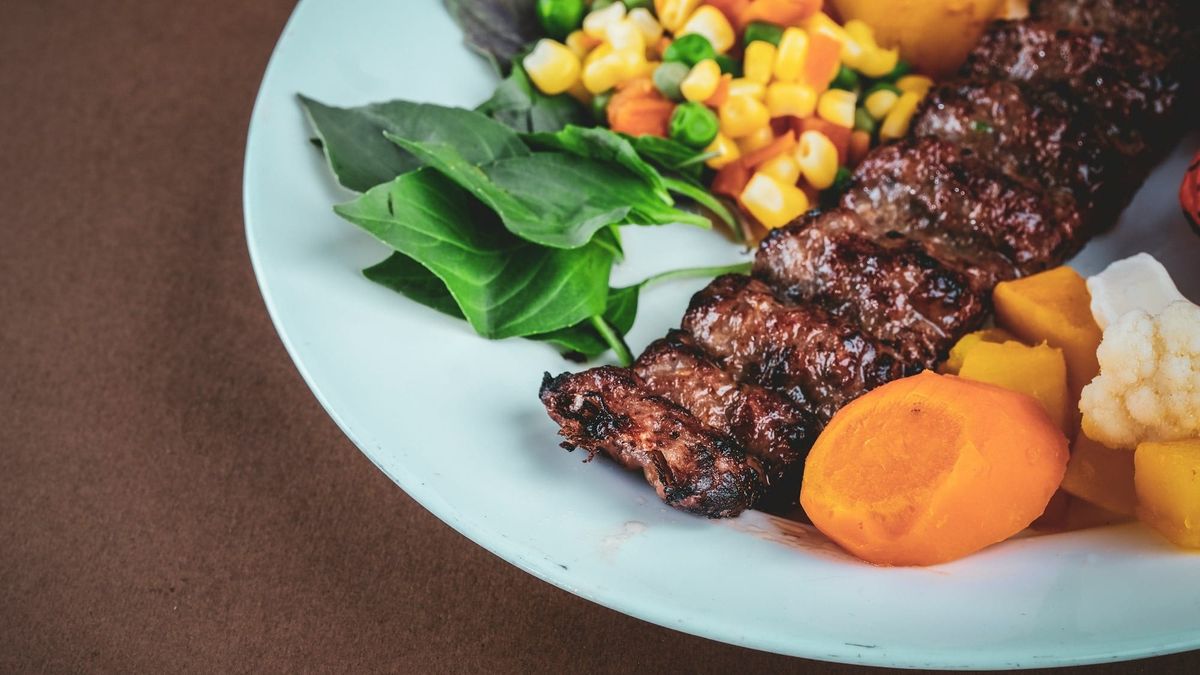
- Based on the hunter-gatherer diet. It includes meat, fish, eggs, and plants, while excluding grains, legumes, dairy, and all processed foods.
- Short-term weight loss and modest metabolic improvements are reported, likely due to removing processed foods and added sugar.
- Excluding dairy, grains, and legumes raises risks of some deficiencies, increases the cost of food, and may adversely affect gut health.
The ‘Paleo’ diet, also known as the Palaeolithic, caveman, or Stone Age diet, is based on the premise of eating foods that were presumed to be available to our hunter-gatherer ancestors during the Palaeolithic era.
This is the era that ended around 10,000 years ago, just before organised agriculture got going. Proponents of the diet argue that modern humans remain genetically adapted to the paleo diet and that recently introduced, commercially produced foods contribute to modern-day diseases (as they do not align with our biology).
The diet's core principle involves consuming foods that were hunted and gathered, which means it excludes foods that emerged from industrial farming (plants or animals). Permitted foods include lean meats, fish, seafood, eggs, vegetables, fruits, nuts, and seeds.
The diet excludes grains (e.g., wheat, rice, oats, barley), legumes (e.g., beans, lentils, peanuts), dairy products, refined sugars, processed foods, vegetable oils, and salt. Some versions of the diet allow butter, fermented foods, or some oils (e.g., coconut or olive oil).
The diet promotes higher protein intake (around 20-35% of calories), moderate to high fat intake (around 30-50%), and lower carbohydrate intake (around 20-40%). Its elimination of processed foods, added sugars, and refined carbohydrates is good for your health. However, the classification, definition, and current availability or form of foods that are considered “paleo” are widely debated.
Example foods and dishes
- Breakfast: Scrambled eggs with roast veg & avocado or Sweet potato hash, ground beef, & peppers
- Lunch: Grilled chicken salad with mixed greens, veggies, & olive oil dressing or Lettuce-wrapped burger with roast sweet potato fries
- Snack: Apple slices with almond butter or Raw veggies with guacamole
- Dinner: Grilled salmon with roasted Brussels sprouts & cauliflower rice or Beef stir-fry with zucchini noodles & coconut aminos
- Dessert: Fresh berries with coconut cream
- Drinks: Black coffee, herbal tea
Pros
The Paleo diet has some short-term benefits for cardiometabolic health. Some studies have shown improvements in blood pressure, blood lipid profile and blood sugar in people who have metabolic health issues or type 2 diabetes. However, these improvements may simply result from eliminating and reducing processed food, added sodium and sugar rather than the paleo diet in itself.
Multiple studies have also reported that people who follow the diet lose weight and body fat. This is probably a result of the diet’s high protein content and the elimination of calorie-dense processed food; removing both of these from your diet will increase fullness and reduce calorie intake.
Cons
There are concerns about the Paleo diet's nutritional content. Excluding entire food groups, particularly dairy, whole grains, and legumes, can increase the risk of deficiencies like calcium, vitamin D, fibre (especially resistant starch) and some other micronutrients. Some research suggests the alterations in your gut microbiome are also unfavourable. There are also links between the high intake (or excessive) of red meat and cardiovascular disease risk.
The diet's restrictive nature tends to limit the diversity of the foods you eat, and can be challenging to follow. People who follow the diet report struggling with the food restrictions, higher costs of the diet, and problems eating out or at social gatherings.
The exclusion of more affordable nutrient-dense foods like beans, lentils, whole-grains and dairy increases the cost of the diet, so it’s not viable for some people. There are also some concerns about bone health because of the elimination of dairy (calcium and vitamin D).
Bottom Line
The Paleo diet offers short-term weight loss and modest metabolic health improvements. This seems to be through the elimination of unhealthy foods. However, the nutritional deficiencies, gut health, adhereance and absence of long-term safety raise some concerns. The big positives for the diet are the removal of ultra-processed foods, emphasis on whole foods and higher protein; rather than the mimicking of eating like our ancestors.
Overall Score: ★★★☆☆
- Health Benefits: ★★★☆☆
- Nutrition: ★★★☆☆
- Weight Control: ★★★☆☆
- Ease to Follow: ★★★☆☆
- Safety Profile: ★★★☆☆
- Scoring System
Sources
Daley SF, Challa HJ, Uppaluri KR. Paleolithic Diet. [Updated 2025 Feb 19]. In: StatPearls [Internet]. Treasure Island (FL): StatPearls Publishing; 2026 Jan-. Available from: https://www.ncbi.nlm.nih.gov/books/NBK482457/
de Menezes EVA et al. Influence of Paleolithic diet on anthropometric markers in chronic diseases: systematic review and meta-analysis. Nutr J. 2019 Jul 23;18(1):41. PMID: 31337389
Eaton SB, Eaton SB 3rd. Paleolithic vs. modern diets--selected pathophysiological implications. Eur J Nutr. 2000 Apr;39(2):67-70. PMID: 10918987
Fenton TR, Fenton CJ. Paleo diet still lacks evidence. Am J Clin Nutr. 2016 Sep;104(3):844. PMID: 27587607
Genoni A et al. Long-term Paleolithic diet is associated with lower resistant starch intake, different gut microbiota composition and increased serum TMAO concentrations. Eur J Nutr. 2020 Aug;59(5):1845-1858. PMID: 31273523
Ghaedi E et al. Effects of a Paleolithic Diet on Cardiovascular Disease Risk Factors: A Systematic Review and Meta-Analysis of Randomized Controlled Trials. Adv Nutr. 2019 Jul 1;10(4):634-646. PMID: 31041449
Manheimer EW et al. Paleolithic nutrition for metabolic syndrome: systematic review and meta-analysis. Am J Clin Nutr. 2015 Oct;102(4):922-32. PMID: 26269362
Tsofliou F et al. Barriers and Facilitators Associated with the Adoption of and Adherence to a Mediterranean Style Diet in Adults: A Systematic Review of Published Observational and Qualitative Studies. Nutrients. 2022 Oct 15;14(20):4314. PMID: 36296998