Lifestyle & Health
Lifestyle is your daily behaviours, habits, routines, and environments that influence your health and wellbeing. This page covers how the things you do affect your health: sleep, stress, ageing, diet, physical activity, recovery and resilience all matter, so learn how to optimise them.
HORMONE HEALTH
Hormone Health: The Signals That Run Your Body
Hormones influence almost everything: your energy, weight, mood, sleep, and metabolism. When they're out of balance, everything else is.
Explore our evidence-based guides, articles, and resources on how hormones work and what you can do to support them.

What to Eat (and Avoid) to Increase Your Testosterone

6 Ways to Decrease Cortisol
MENTAL HEALTH

Mental Health: The Basics
It shapes how you think, feel, make decisions, and relate to others. It's not a fixed state — it shifts throughout life, and it's influenced by your lifestyle.
Explore our evidence-based guides, articles, and resources on understanding and supporting your mental wellbeing.

Is Exercise Good for Depression?

Does Exercise Help Anxiety?
Not smoking, maintaining a healthy body weight, regular physical activity, quality sleep, strong social connections, stress management, and a nutrient-rich diet emphasizing whole foods. Large epidemiological studies suggests that these modifiable behaviors can add 10-15 years to life expectancy.
Whole, minimally processed foods. Engage in regular physical activity combining strength and cardio. Maintain consistent sleep schedules. Manage stress through proven techniques like mindfulness or social connections. Avoid smoking. Limit alcohol intake. And most important: self-discipline and consistency.
The most harmful lifestyle habits include smoking, excessive alcohol intake, sleep deprivation, prolonged sitting/physical inactivity, high intake of ultra-processed foods, too much stress, and social isolation. They're all linked to cardiometabolic diseases, cancers, poor mental health, and early death.
The five commonly cited pillars are good nutrition, physical activity, sleep, stress management, and social connections. Some people also include avoiding harmful substances and preventive healthcare.
Health is now defined as a state of complete physical, mental, and social well-being and not just the absence of disease. It's the body's ability to adapt to physical, mental, and social challenges of life.
BRAIN HEALTH
Brain Health: Mind Over Matter
Your brain is behind everything — how you think, remember, focus, and feel. It's also more responsive to lifestyle than most people realise.
Explore our evidence-based guides, articles, and resources on protecting and improving your brain health.
How Sleep Affects Your Brain & Mental Health
Oily Fish: Health Benefits, Best Choices & How Much to Eat
SLEEP

Sleep Better
You can't out-train, out-eat, or out-supplement poor sleep. It's the foundation on which everything else is built — your heart, brain, hormones, immune system, and metabolism all depend on it.
Explore our evidence-based guides, articles, and resources on why sleep matters and how to get more of it.

How To Sleep Better

How to Fix Your Sleep Schedule: A 7-Step Plan
FASTING
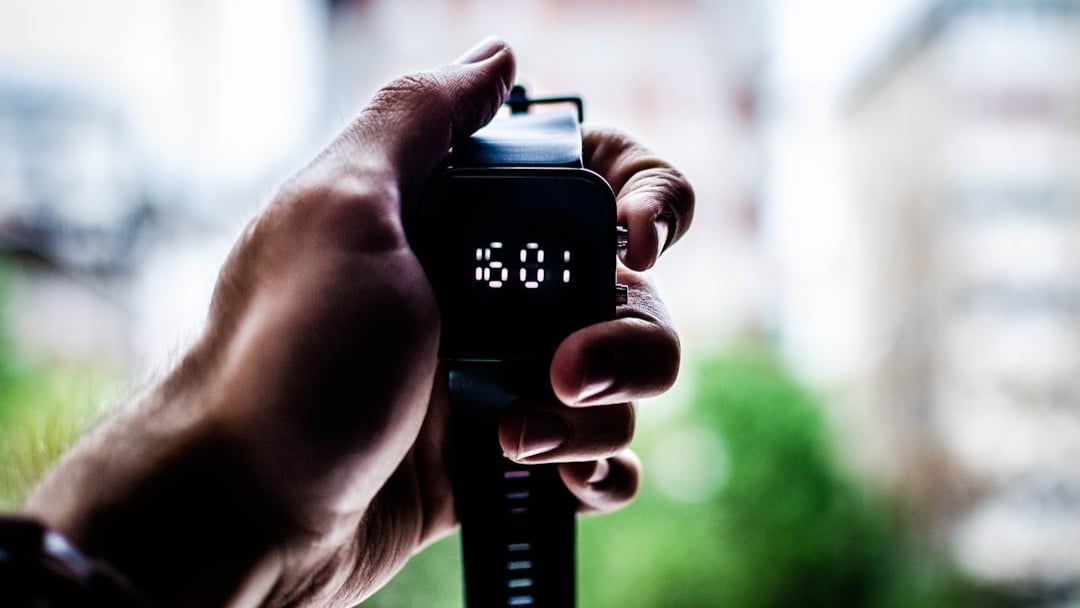
Fasting
Fasting isn't a trend — it's a well-researched approach to enhancing metabolic health, managing weight, and promoting long-term well-being. But how you fast matters.
Explore our evidence-based guides, articles, and resources on the science of fasting and how to do it properly.
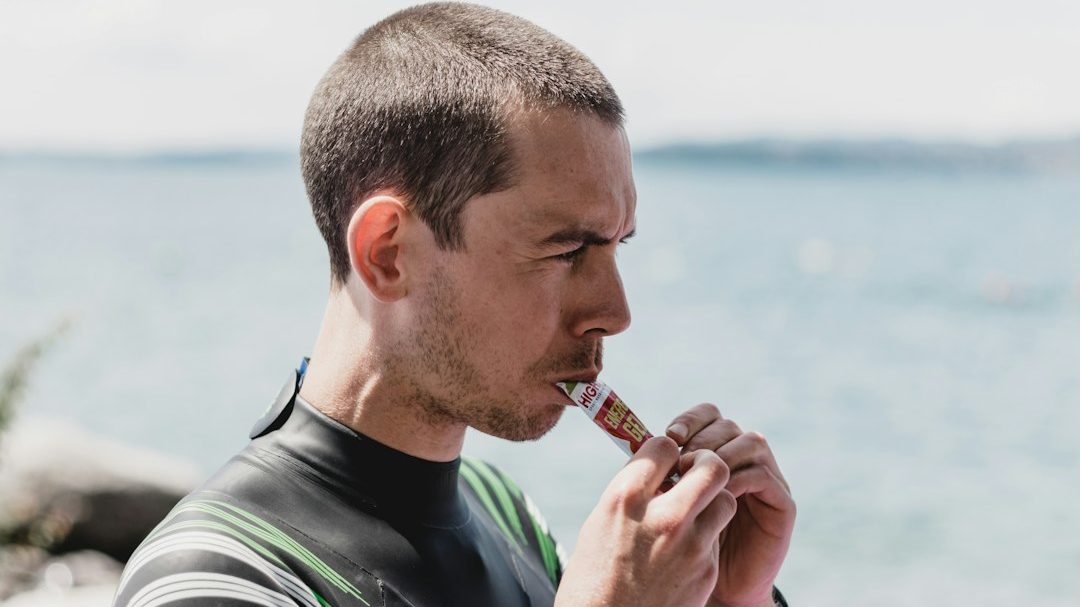
Should You Exercise While Fasting?

What Happens to Your Body When You Fast?
HEART HEALTH
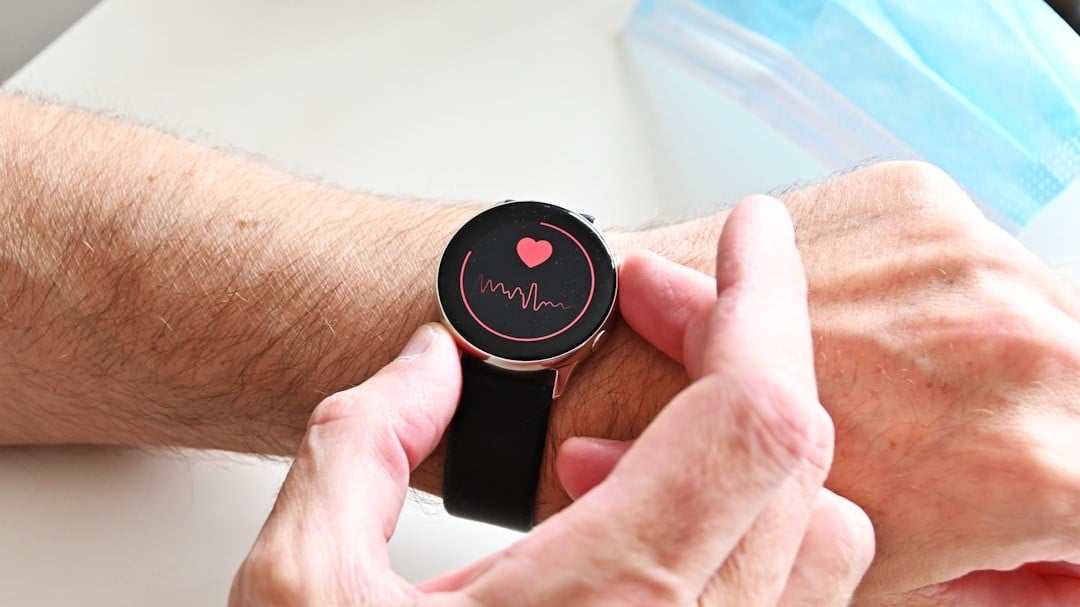
Heart Health
Your heart beats around 100,000 times a day — quietly keeping everything else running. What you eat, how you move, how well you sleep, and how you manage stress all affect your long-term health.
Explore our evidence-based guides, articles, and resources on keeping your heart in good condition.
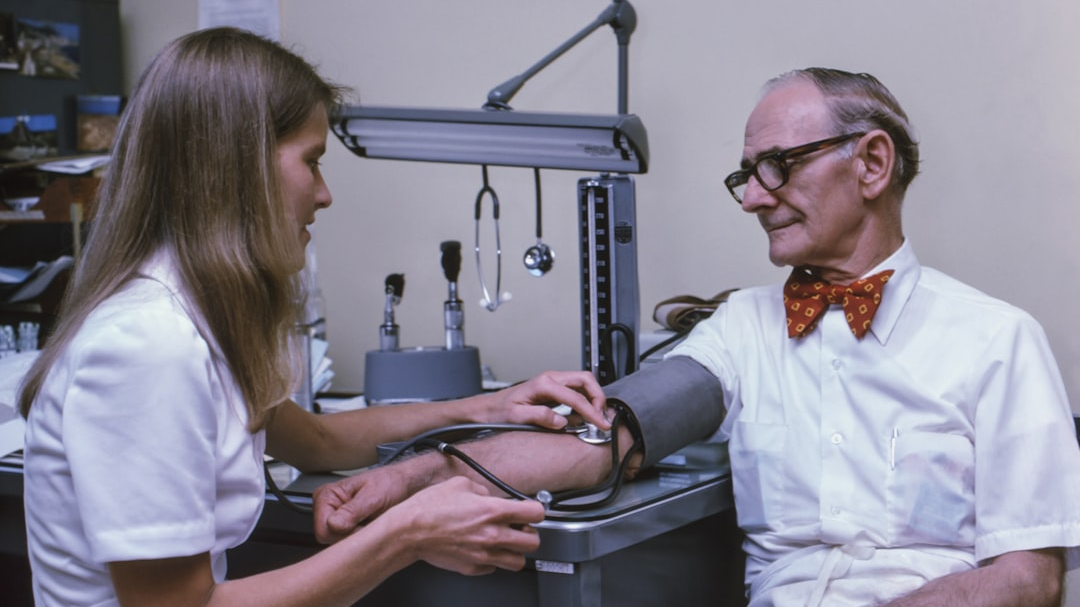
Does Exercise Lower Blood Pressure?

What is VO2max & How to Improve It
Our Editorial Approach
Alphabet Guides publishes practical evidence-based content using trustworthy, peer-reviewed research: information you can actually use. Learn more About Us and our Editorial Standards.