Beauty Sleep: How Good Sleep Makes You More Attractive
By R.Davies, PhD・Sleep
Published April 15, 2026 | 7 min read
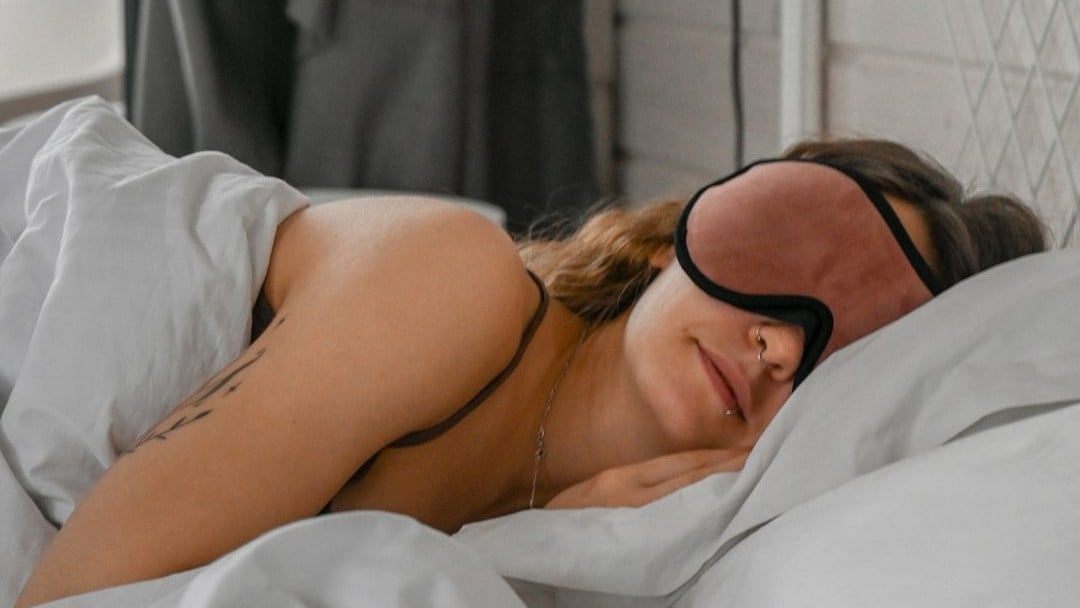
'Beauty sleep' is the idea that adequate, quality sleep improves your physical appearance — it is backed by scientific evidence. This article explores eight ways sleep affects various aspects of appearance, including face, hair, body weight, and beyond. Most people know that a bad night's sleep leaves them looking rough the next day. But the consequences of persistent poor sleep go much deeper.
Sleep is the time when your body carries out many of its repair and regeneration processes that are fundamental to how you look and age. If you disrupt these processes, it will accelerate the ageing process and will show on your face.
Subscribe For Weekly Updates
Get new content delivered to your inbox once per week. No spam — just practical, evidence-based content.
Thank You For Signing Up!
You’re now subscribed to receive practical, evidence-based health insights direct to your inbox every week.
Check your email for a quick confirmation.
"Beauty Sleep": The Evidence
The phrase may sound like a marketing term, but researchers have tested it directly. Researchers did a study where they got a group of people to rate photos of another group of people in a sleep-deprived state, and then rate them again after a good night's sleep.
The people rating the photos didn’t know whether the people were sleep-deprived or not. Yet, they consistently rated them as less attractive when sleep-deprived [1]. So it’s true, you do “look tired” when you sleep poorly, and people can see it (even if they are too polite to say so).
How Sleep Affects Your Skin?
Wrinkles
During deep sleep, your body releases 'growth hormone', which in turn stimulates 'collagen synthesis'. Collagen is a vital protein in your body that keeps your skin firm, smooth, and elastic. Poor sleep means less growth hormone, which means less collagen, which means your skin’s youthful appearance (its “scaffolding”) will break down faster.
Poor sleepers tend to have more fine lines, uneven pigmentation and lower skin elasticity. Your skin also doesn’t recover and repair itself as quickly when it is damaged (say from sunlight exposure) — this is arguably more important and what causes early ageing [2].
Skin renewal process peaks at night, where the body takes time to repair or replace damaged skin cells. So regularly cutting your sleep time short will affect the way your skin looks. Getting enough high-quality sleep a night is probably one of the most important things you can do for your skin. Sleeping on your back will also reduce compression on the skin of your face, which may help delay the onset of sleep lines and wrinkles later in life.
Skin Hydration
Your skin’s outermost barrier (the “stratum corneum”) is really important. It protects the deeper layers of your skin from the outside world and keeps them hydrated. It keeps the bad stuff out and the good stuff in. However, sleep deprivation causes you to lose moisture from your skin, leaving it dry, sensitive and irritated [2].
It also makes it more sensitive to 'irritants' (from the environment) and more prone to skin conditions like eczema and rosacea flares. This is why a night-time moisturiser is usually more important than the daytime one, as your skin’s pores are more open and the repair process is more active at night, while you sleep. However, no amount of overpriced moisturiser will make up for a poor sleep schedule.
Acne & Skin Breakouts
As we mentioned in the previous section, poor sleep elevated cortisol — the body’s “stress hormone”, which will get multiple shout-outs in this article. In addition to doing many other things, cortisol stimulates your skin to produce extra skin oil (“sebum”).
This creates favourable conditions for acne to thrive, or worsen if you already have it [3]. Sleep deprivation also impairs your immune system function, which takes care of the skin’s protective barrier. This means that it delays the clearing-up process after a breakout of acne. Put simply, poor sleep increases your chances of getting acne, makes it worse if you have it already, and also makes you have it for longer.
More bad news: having acne itself can also affect your sleep and increase your stress levels. So poor sleep causes acne, and acne causes poor sleep. It’s a vicious circle or a doom loop. Read about how to lower your cortisol levels and keep your pillow cases clean. Excess skin oil and bacteria produced by your skin can find their way onto your pillow overnight.
Does Poor Sleep Cause Eye Bags?
This is probably the most immediate and obvious thing you notice after a poor night's sleep. Poor sleep raises your cortisol levels, which then causes fluid to pool in the loose, delicate connective tissues around your eyes — this is the classic "puffy" eye look.
Secondly, poor sleep also causes the blood vessels just below your eyes to dilate and become more visible. Because the skin is very thin under your eyes, this creates those dreaded dark circles. In addition to dark circles, people also notice hanging eyelids, red eyes and swelling under the eyes as facial markers of poor sleep [1].
More bad news comes from the fact that, over time, poor sleep also reduces the thickness of the skin under the eye, making the dark circles look worse and potentially permanent. There’s also a very strong genetic component to those dark circles; so even if your sleep is perfect, be aware that it may not get rid of them entirely.
Does Sleep Cause Hair Loss?
Your hair is consistently going through growing and shedding cycles throughout the day and night. Poor sleep and high cortisol (again!) can prematurely cause the hair to shed. Hair loss from poor sleep and high-stress is caused by the exact same reason: stubbornly high cortisol levels.
A second important hormone, 'melatonin', is also linked to sleep and hair health. Melatonin is produced when it's dark (normally just before bed) and is suppressed when there's light. However, your hair also appears to respond to melatonin. When melatonin is applied directly to the skin on your head (“topical application”), it helps hair growth in both men and women, particularly those of us with hair loss issues (e.g., “androgenic alopecia”) [5][6].
Since your body’s natural production of melatonin depends on adequate sleep in darkness, poor sleep disrupts one of your hair growth signals. Read about how to fix your sleep schedule and learn how to restore your body's melatonin production.
How Sleep Affects Your Facial Appearance
Puffiness
Persistently high-cortisol (yet again!) caused by poor sleep increases the amount of another hormone in your body (“aldosterone”). This leads to higher fluid retention and a “puffy face” around the eyes, cheeks and jawline. This is different (but can occur alongside) the puffiness “under the eyes”.
High salt and alcohol intake can make the problem worse, as each of these independently promotes fluid retention, exacerbating the puffiness. So, that salty junk food after a boozy night out and a poor night's sleep really is a beauty killer. You can offset some of the puffiness by (maybe confusingly) ensuring you drink enough water — yes, drinking more water can actually reduce excess fluid retention!
Weight Gain
Another overlooked benefit of getting your beauty sleep is its role in preventing weight gain. Sleep deprivation disrupts two appetite hormones: one which makes you hungry ('ghrelin') and another that tells you you’re full ('leptin'). Research shows that people who sleep less are more likely to gain weight and be obese [7].
If you start gaining fat, it tends to accumulate around the face, neck and jaw and visibly affect your facial (and overall) attractiveness. There are loads of other health implications to being overweight (outside of beauty), so we have written articles on “How to Sleep Better” and how to lose fat and maintain a healthy bodyweight.
Does Sleep Affect Your Height?
In children and adolescents, the answer is a clear yes. Growth hormone is essential for their height. Children who regularly sleep poorly will have lower growth hormone levels, which may go on to stunt their height [8][9].
In adults, height is fixed, so sleep cannot make you taller. However, overnight, your spinal discs are deloaded, rehydrated, and expand, meaning you wake up 1-2 cm taller than when you went to bed. Unfortunately, your overnight height gain is lost within the first few hours after waking up. So, while sleep only temporarily makes you taller, poor sleep can make you temporarily shorter [10].
Poor sleep can also worsen your posture and is linked to other musculoskeletal problems, which may affect how you carry yourself. So it may reduce your 'postural' or 'functional' height in the long run.
Sleep & Teeth Grinding
Grinding or clenching your teeth while you sleep (called 'bruxism') is pretty common and is associated with stress, poor sleep or sleep-breathing conditions [11]. In terms of your looks, bruxism wears down your teeth, flattening and shortening them. It also thickens your jaw muscles, creating a squarer, wider jawline.
It is difficult to know if you’re doing it or not because you usually won’t see the effects for years after you started doing it. However, if you wake with a sore jaw, headaches, or if someone sees (or hears) you doing it, it is a serious issue, so speak to a professional if you're doing it. There are special mouthguards available that can prevent it and may help improve your sleep.
Key Takeaways
The evidence is clear: sleep is one of the most powerful, cheapest and accessible ways for maintaining your appearance, especially as you age. It supports healthy skin, healthy hormone balance, hair growth, and a healthy body weight. Most of these changes are not just limited to your looks. Good sleep also helps repair, regenegrate and keep many other parts of your body healthy; not just your hair, eyes and face.
No product, supplement or treatment can fully counteract bad sleep. So if you are looking to address any of the issues above by improving your sleep, read our other articles (below) on how to improve your sleep habits and get better sleep.
Sources
1. Sundelin T et al. (2013). Cues of Fatigue: Effects of Sleep Deprivation on Facial Cues. PLOS ONE. 8(4):e59289. PMID: 23516398
2. Oyetakin-White P et al. (2015). Does poor sleep quality affect skin ageing? Clinical and Experimental Dermatology. 40(1):17–22. PMID: 25266053
3. Zouboulis CC et al. (2005). What is the pathogenesis of acne? Experimental Dermatology. 14(2):143–152. PMID: 15679582
4. Samaniego M et al. Sleep Disturbances and Acne: A Comprehensive Review. Dermatol Pract Concept. 2025 Oct 1;15(4):e20255530. PMID: 41236274
5. Babadjouni A et al. Melatonin and the Human Hair Follicle. J Drugs Dermatol. 2023 Mar 1;22(3):260-264. PMID: 36877877
6. Fischer TW et al. (2004). Melatonin increases anagen hair rate in women with androgenetic alopecia or diffuse alopecia: results of a pilot randomized controlled trial. British Journal of Dermatology. 150(2):341–5. PMID: 14996107
7. Patel SR, Hu FB. (2008). Short sleep duration and weight gain: a systematic review. Obesity. 16(3):643–53. PMID: 18239586
8. Chaput JP et al. Systematic review of the relationships between sleep duration and health indicators in the early years (0-4 years). BMC Public Health. 2017 Nov 20;17(Suppl 5):855. PMID: 29219078
9. Gulliford MC et al. Sleep habits and height at ages 5 to 11. Arch Dis Child. 1990 Jan;65(1):119-22. PMID: 2301973
10. Jazwinska EC, Adam K. Diurnal change in stature: effects of sleep deprivation in young men and middle-aged men. Experientia. 1985 Dec 15;41(12):1533-5. PMID: 4076396
11. Lobbezoo F et al. (2013). Bruxism defined and graded: an international consensus. Journal of Oral Rehabilitation. 40(1):2–4. PMID: 23121262
Published: April 15, 2026
Lead Author: R.Davies, PhD, MRes, BSc, CPT, FHEA | Author Bio
Dr Davies is a physiologist specialising in human health, performance and nutrition.
Alphabet Guides provides independent, evidence-based information you can trust. Learn more about our Editorial Standards.
Disclaimer: The information on this website is for educational purposes only. It should not be used as a substitute for medical advice from a qualified healthcare professional.